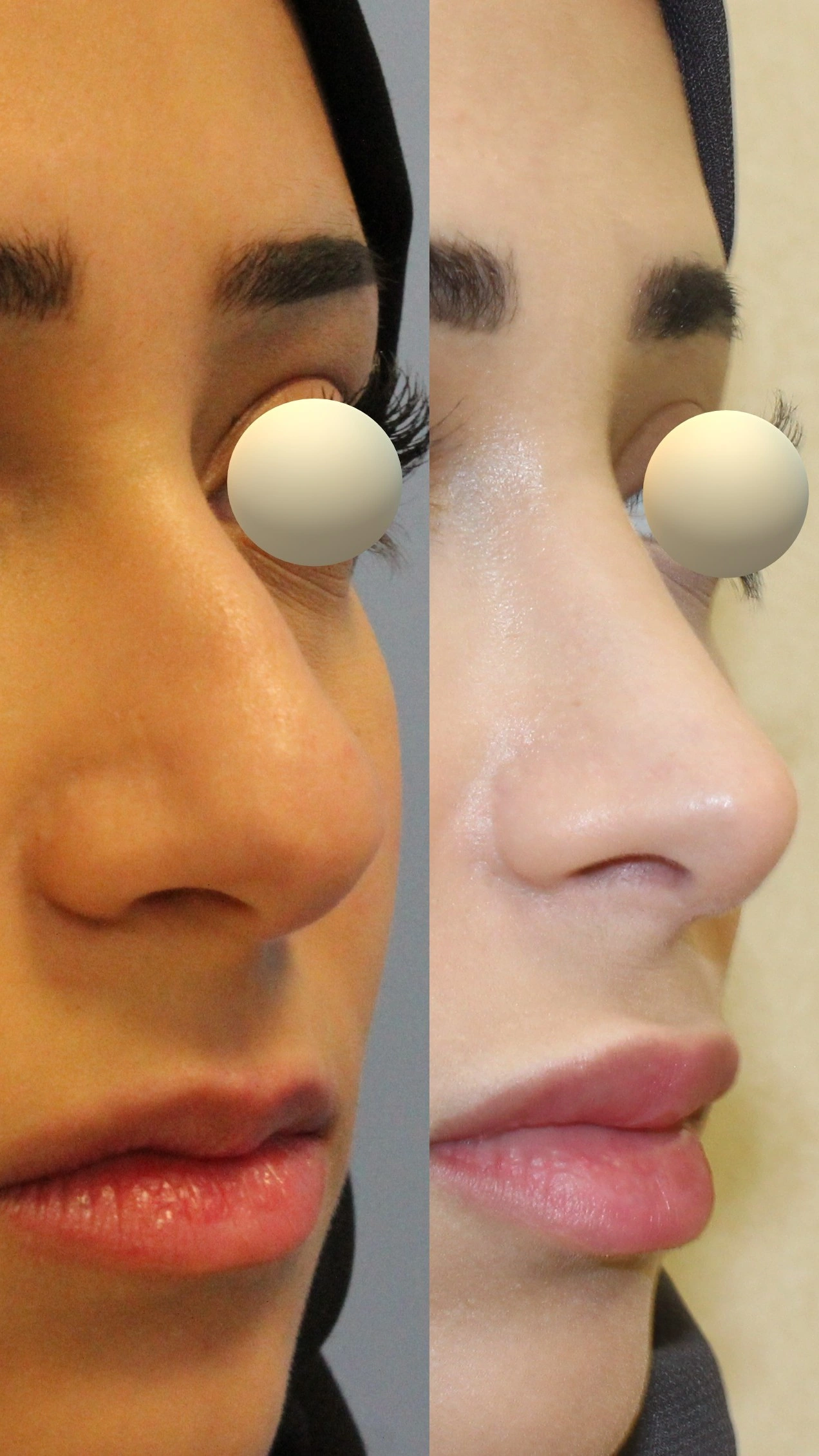
Rhinoplasty
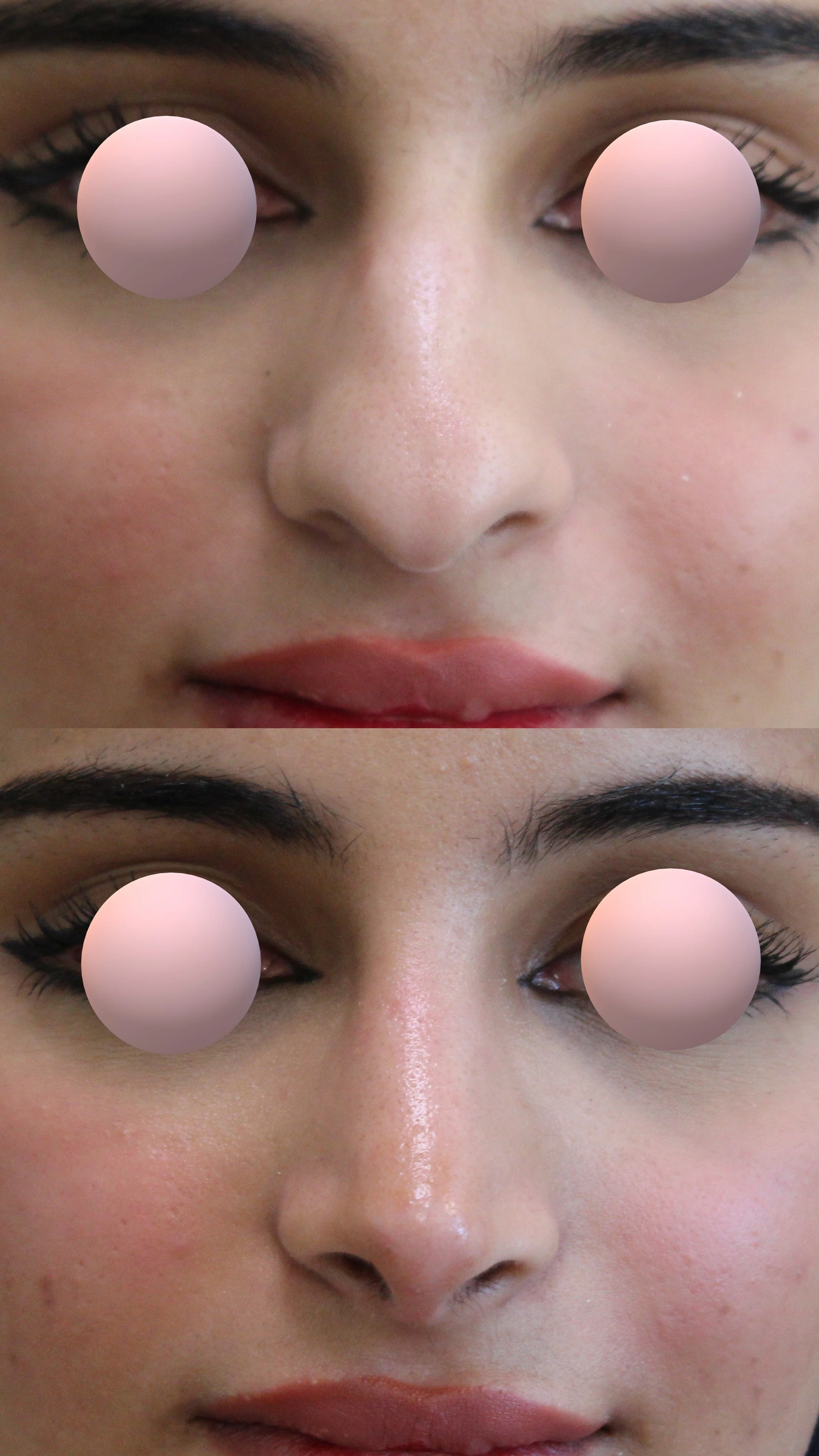
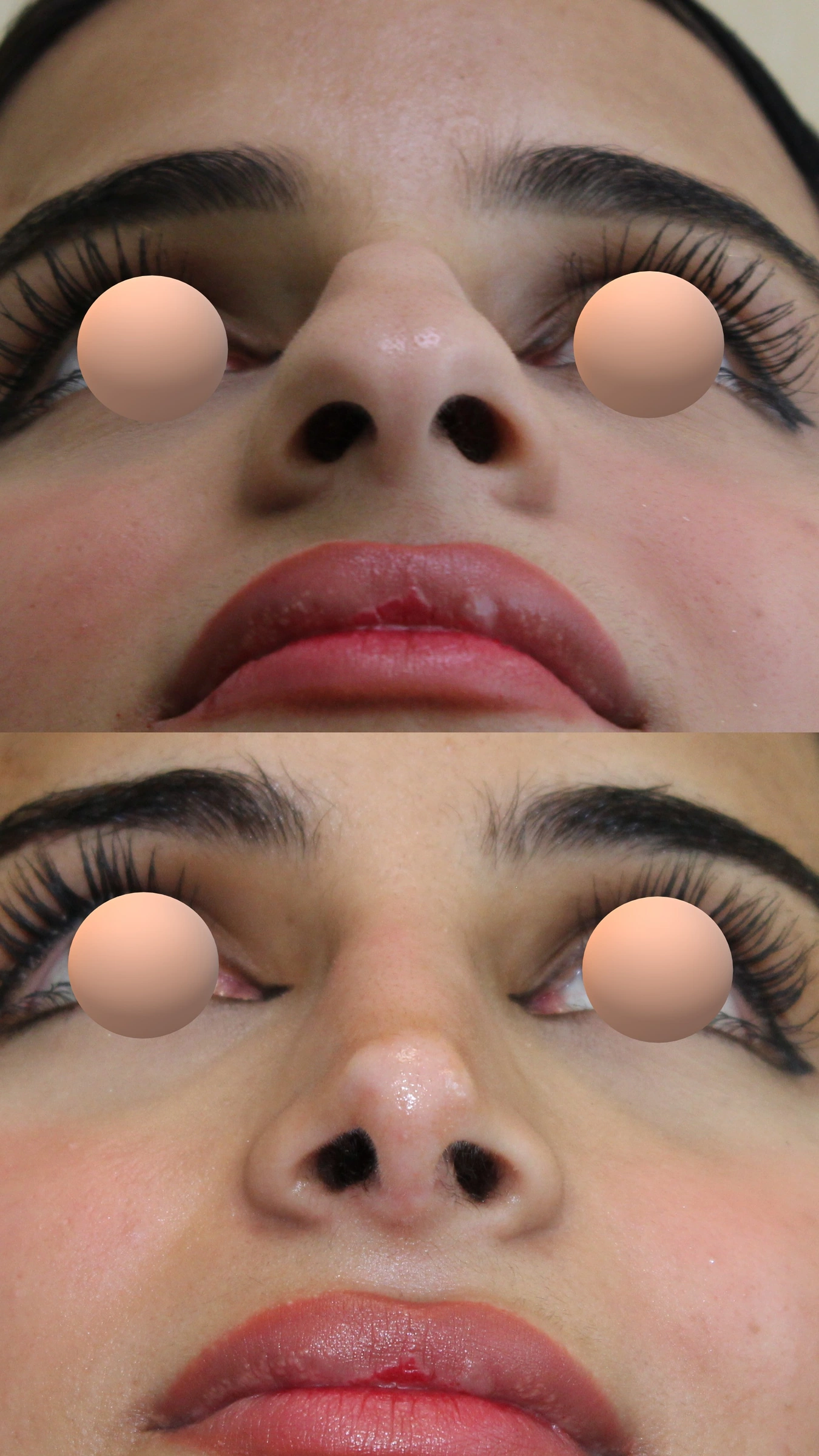
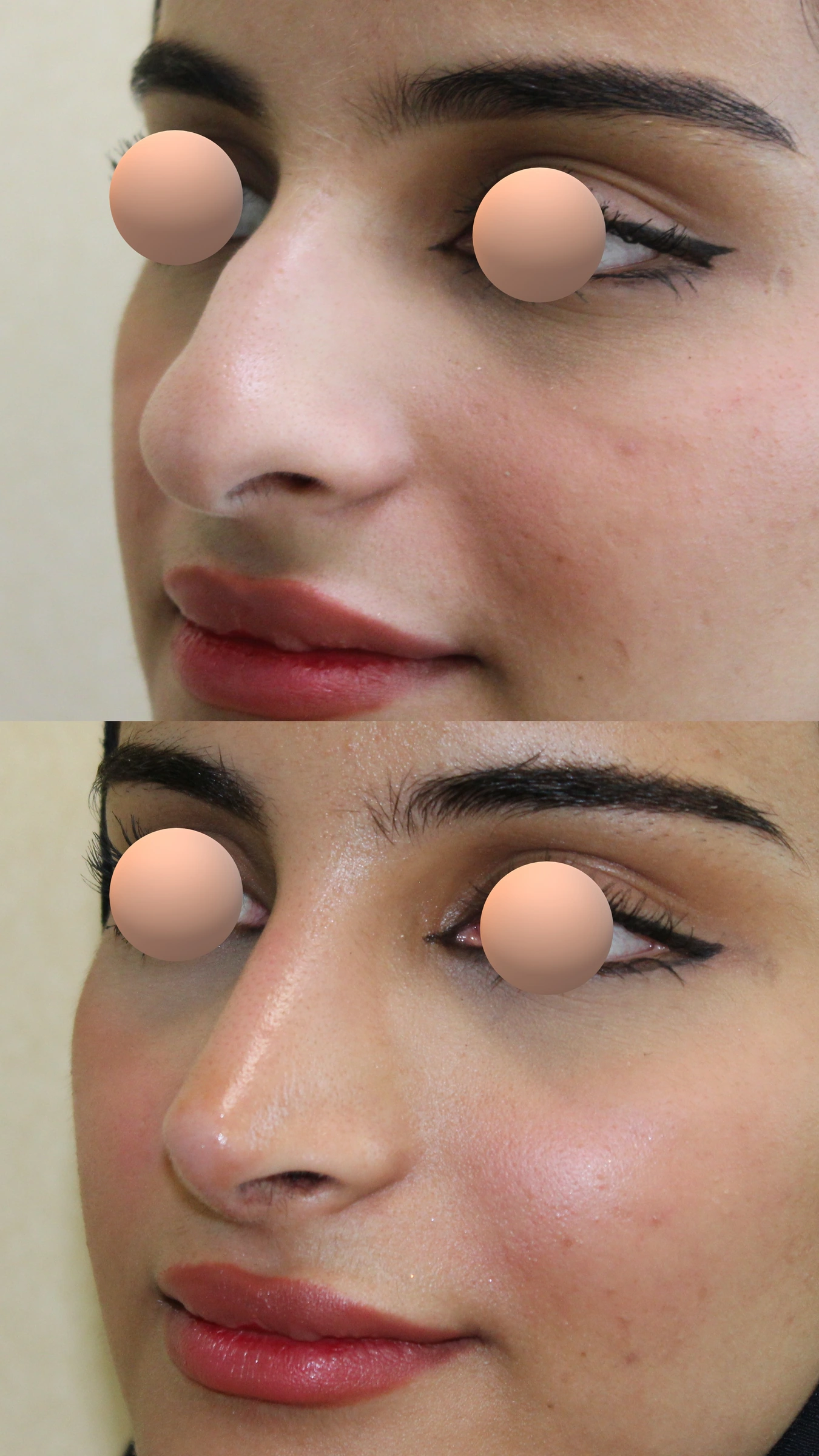
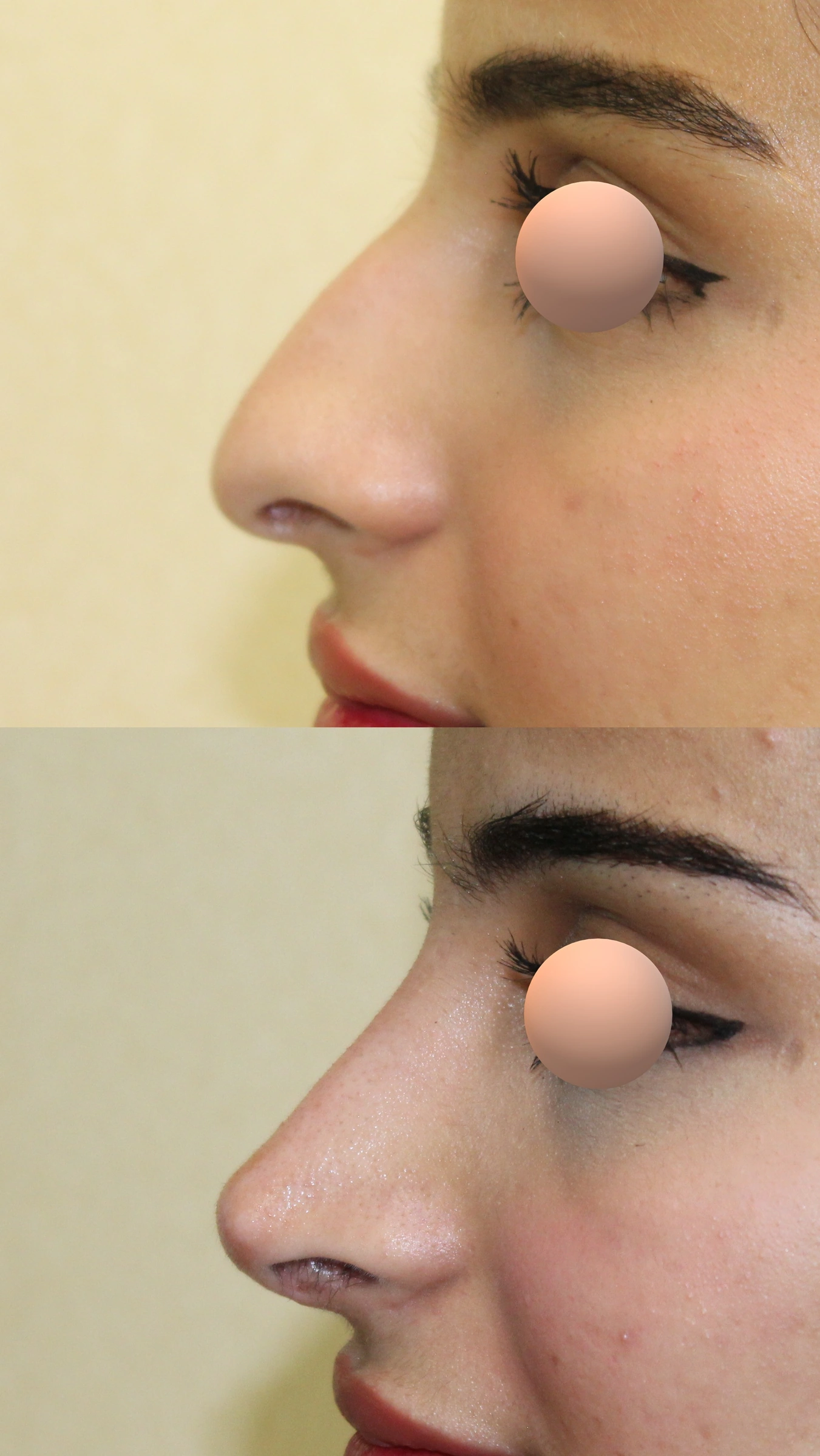
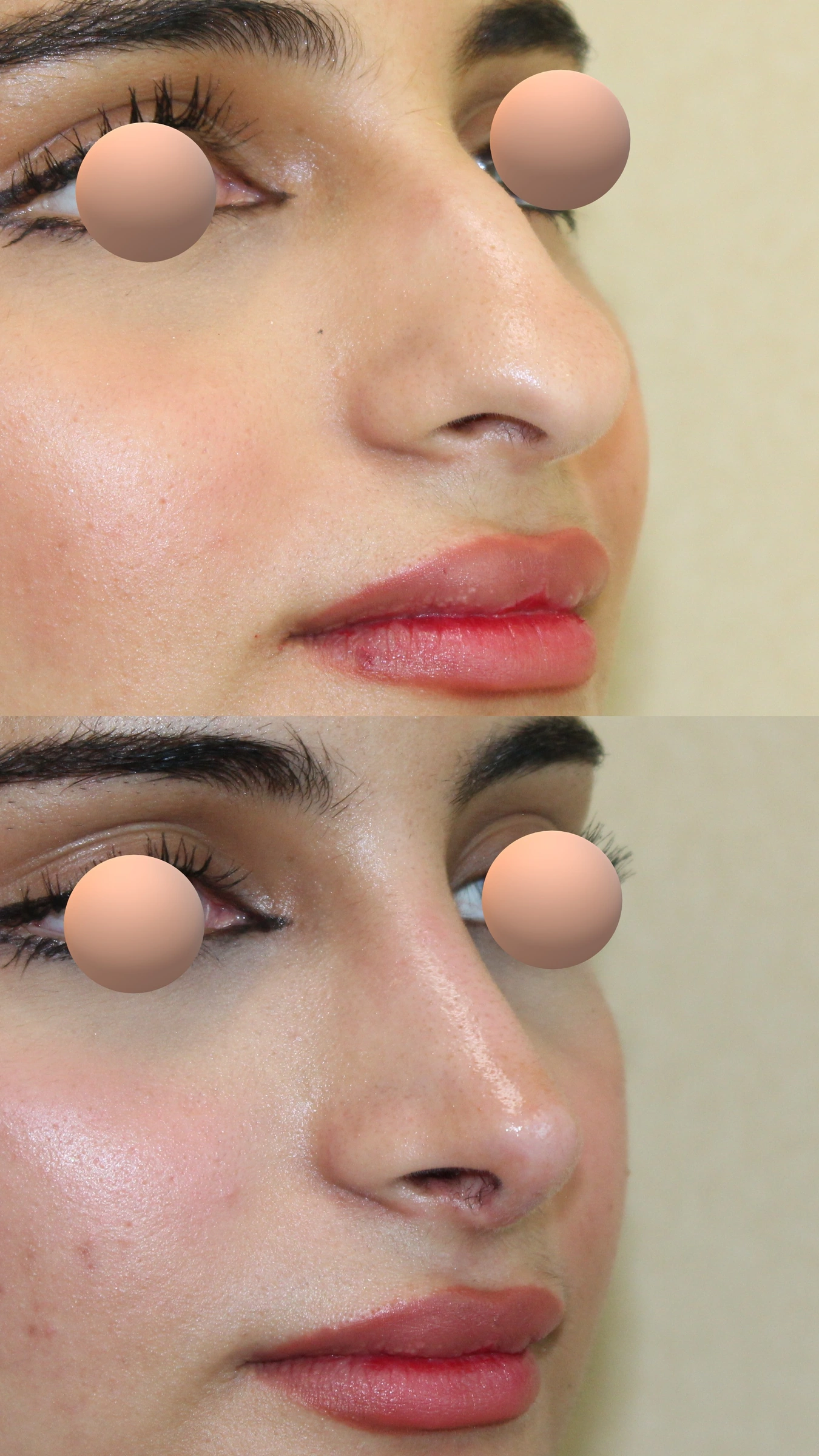
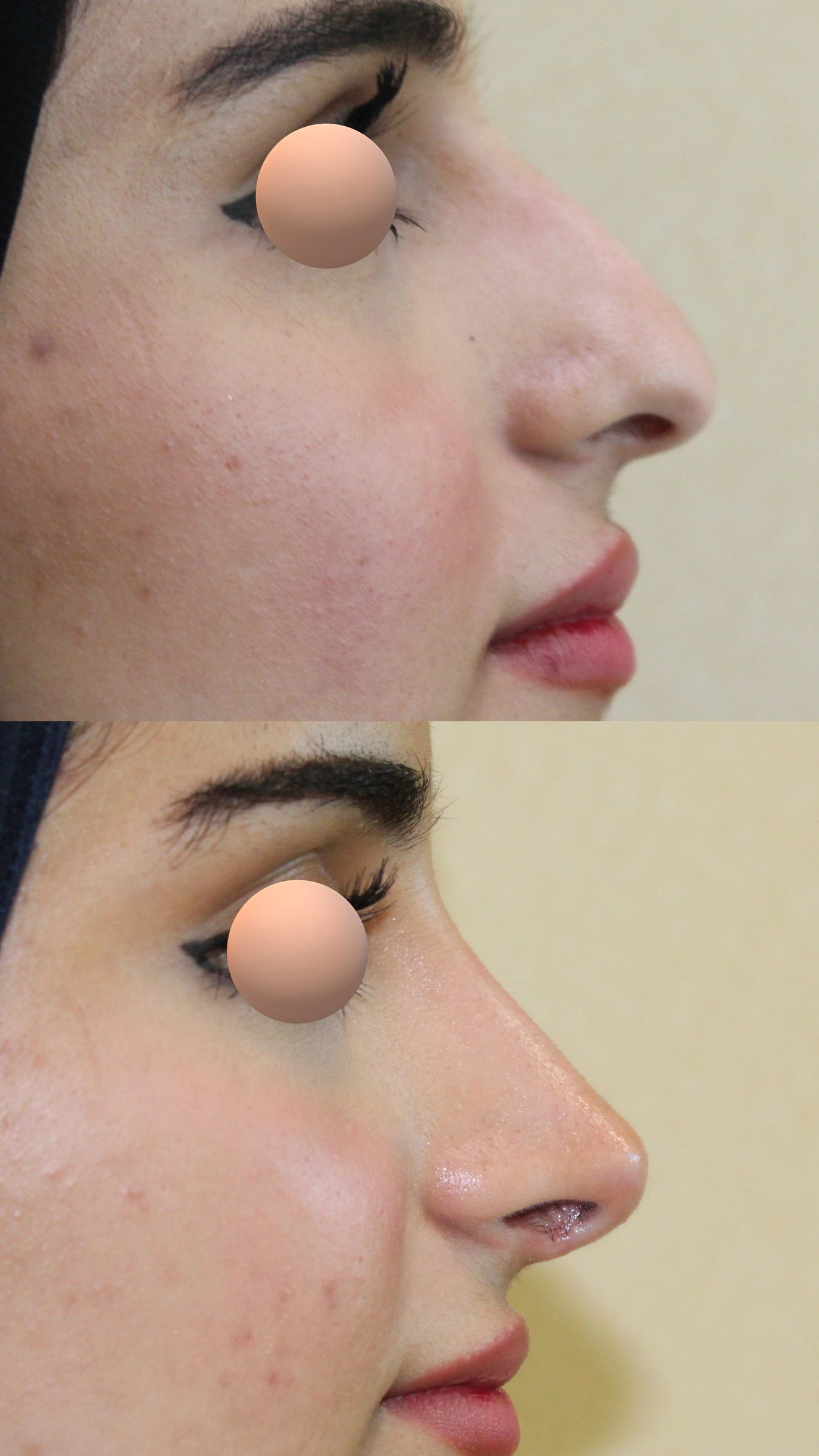
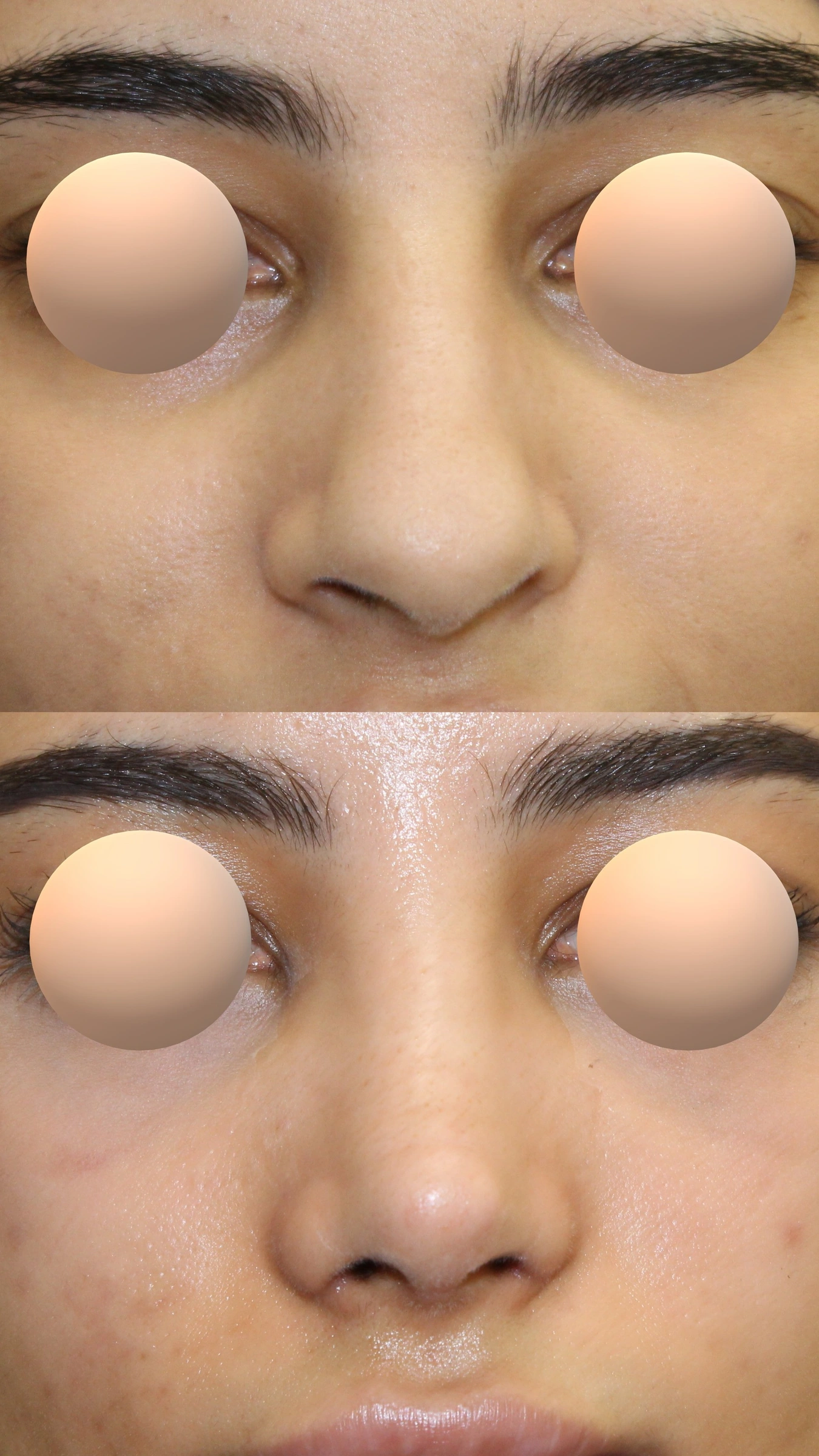
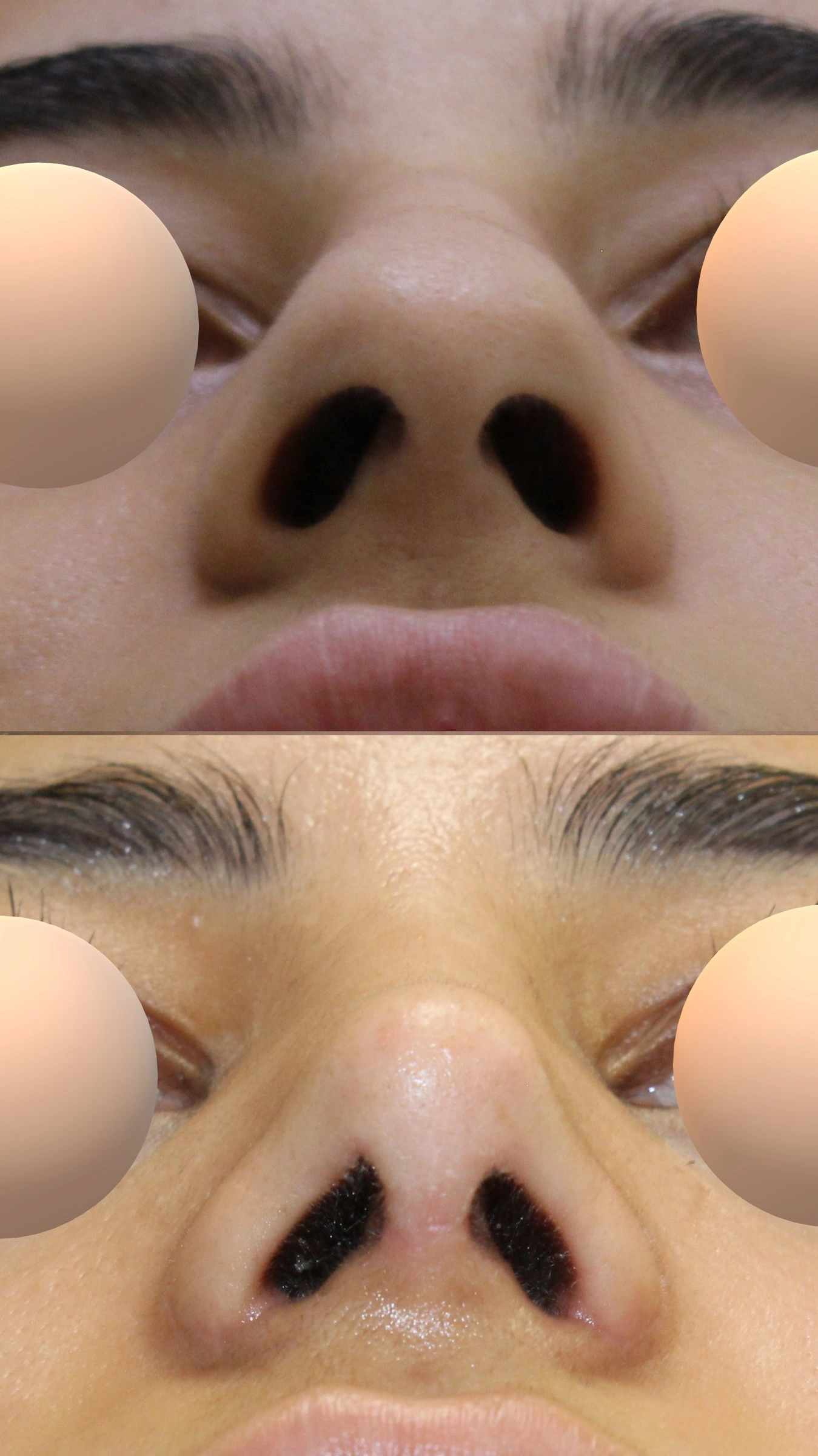
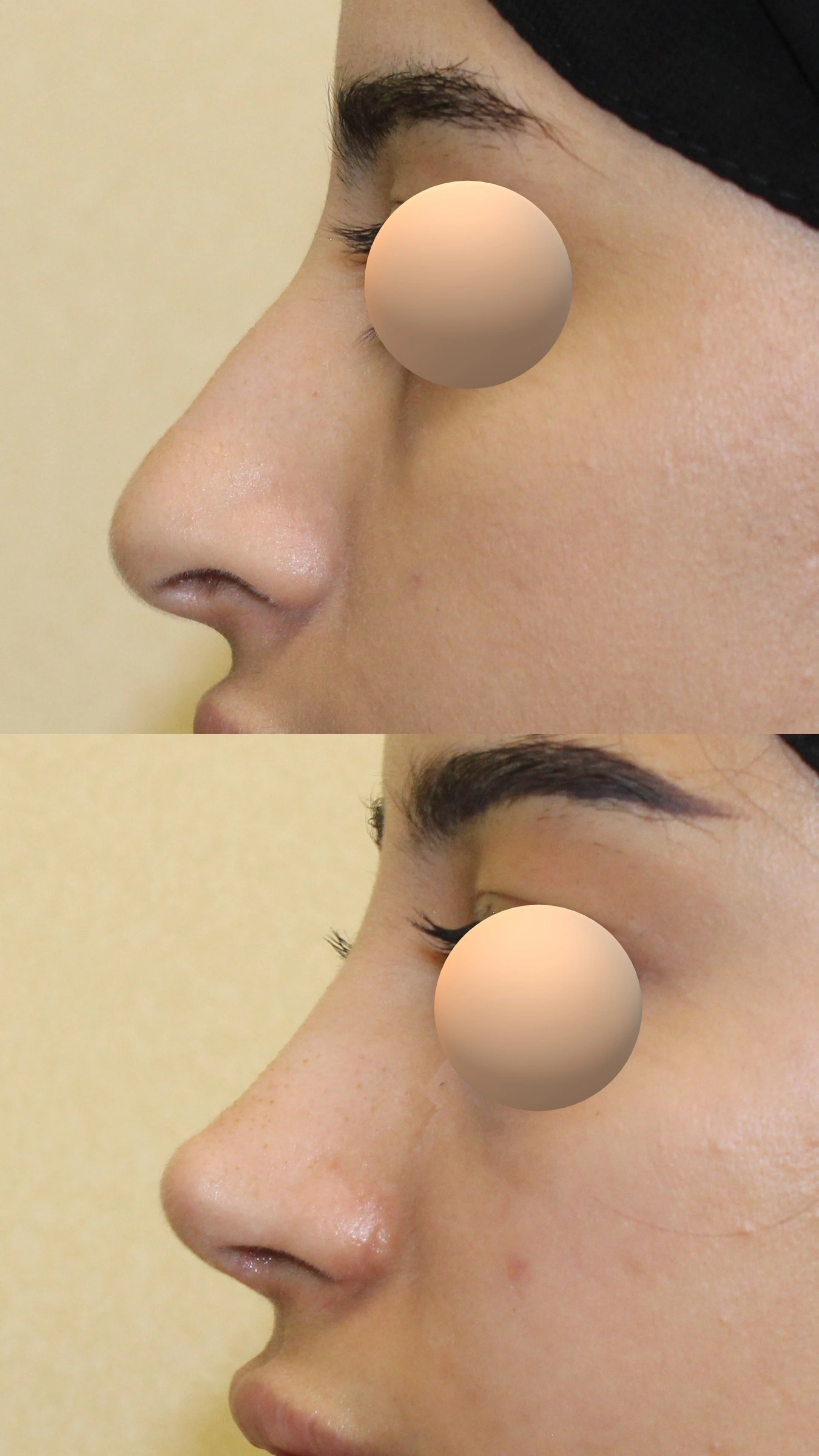
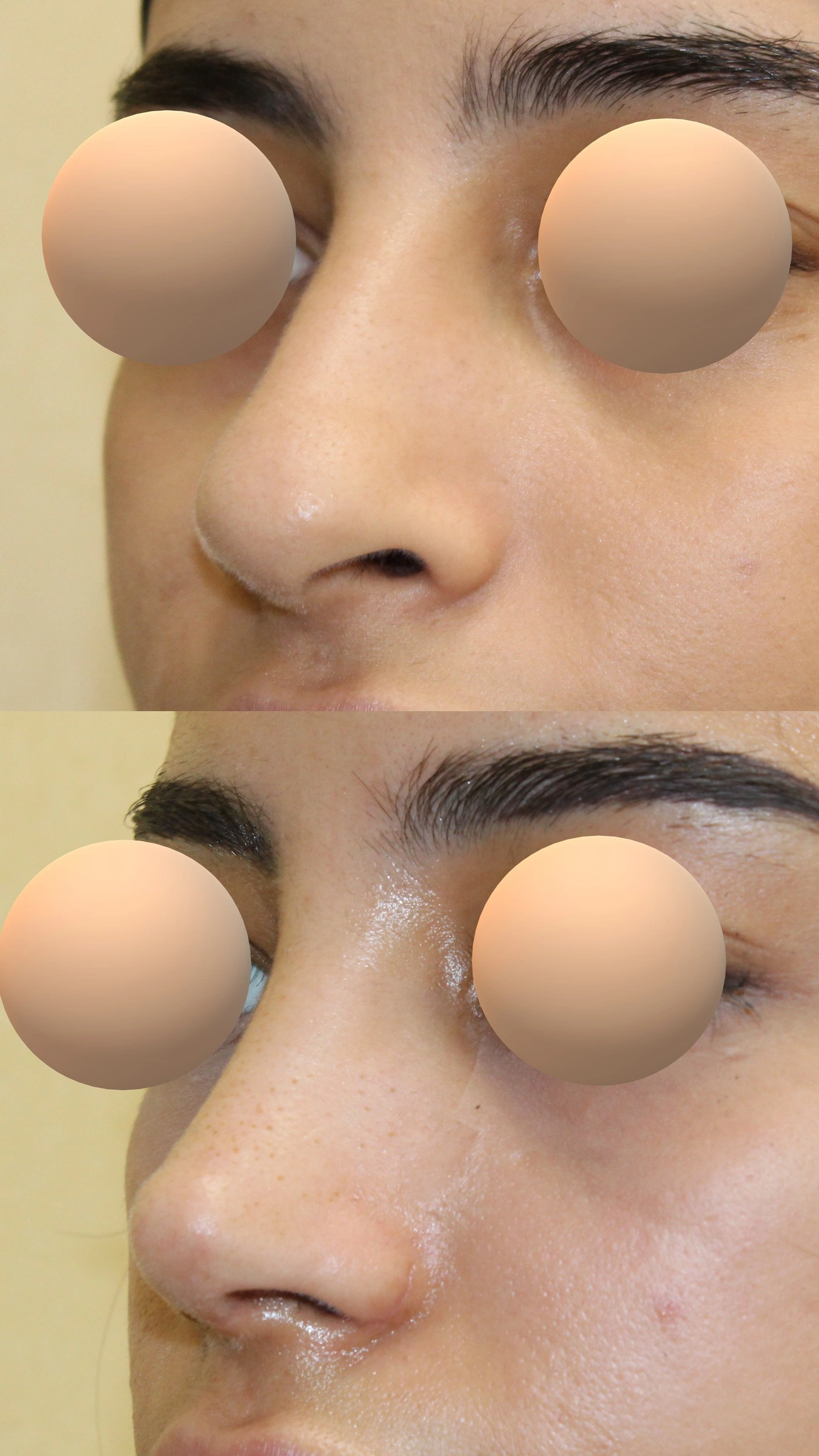
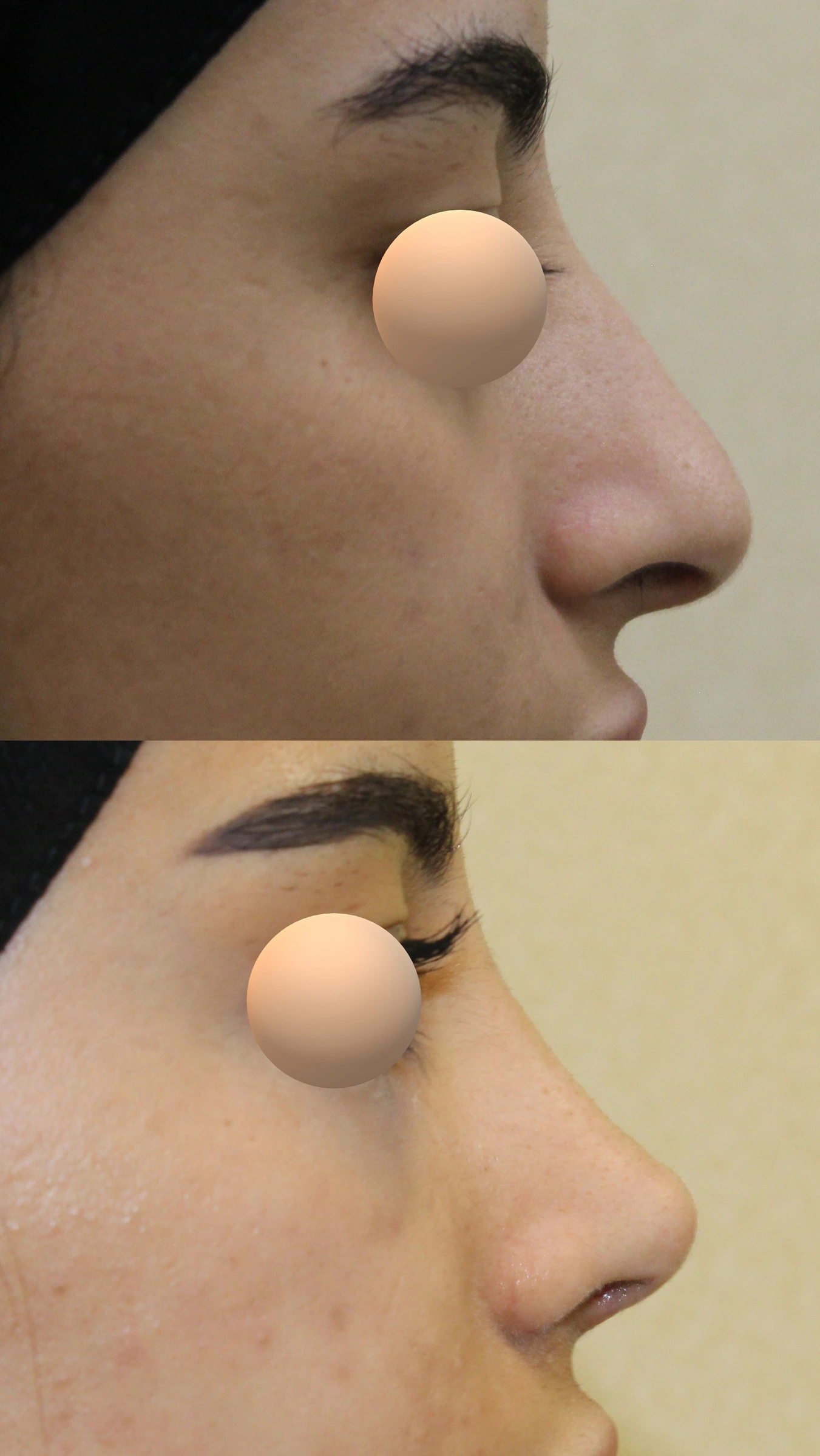
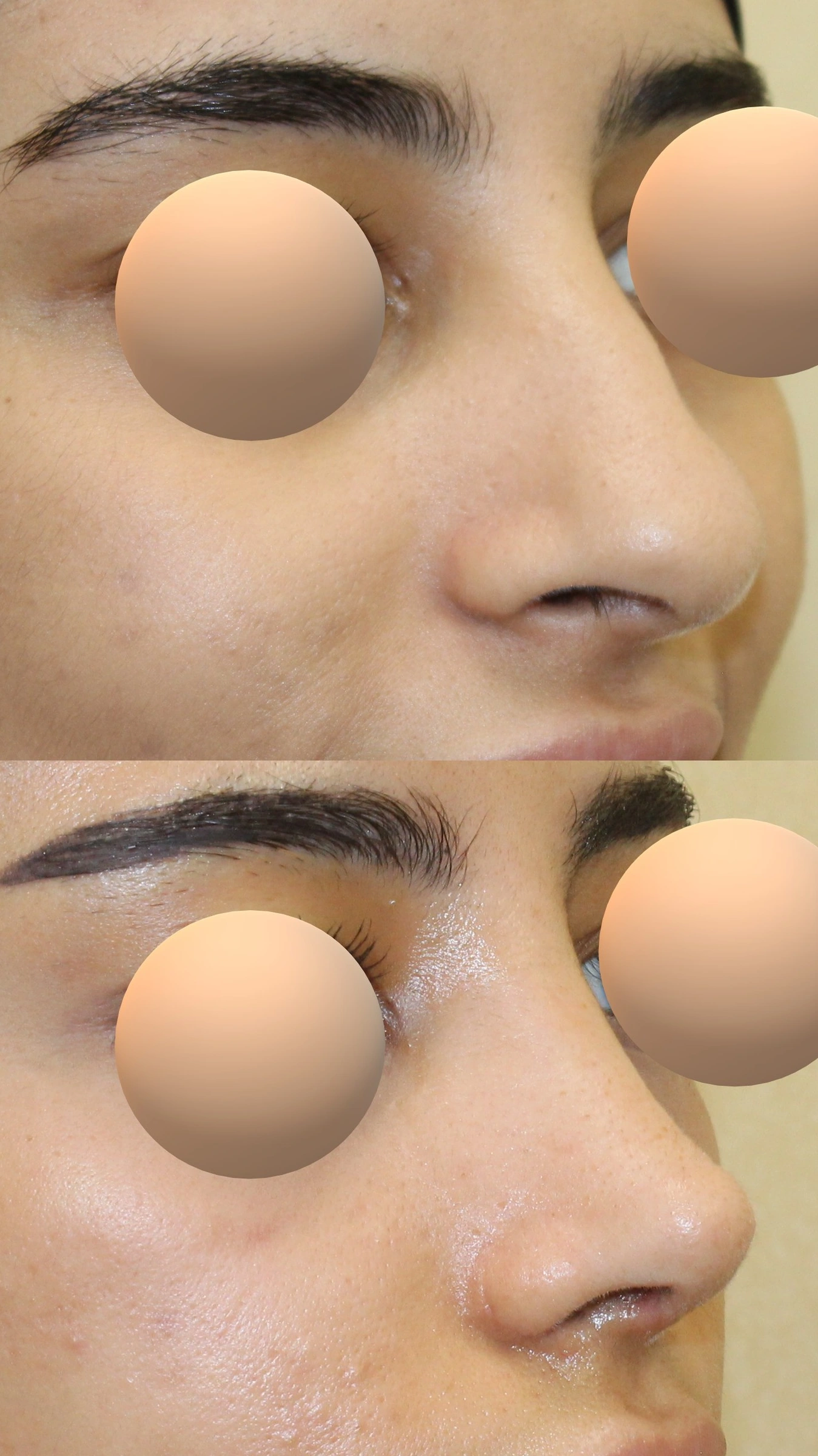
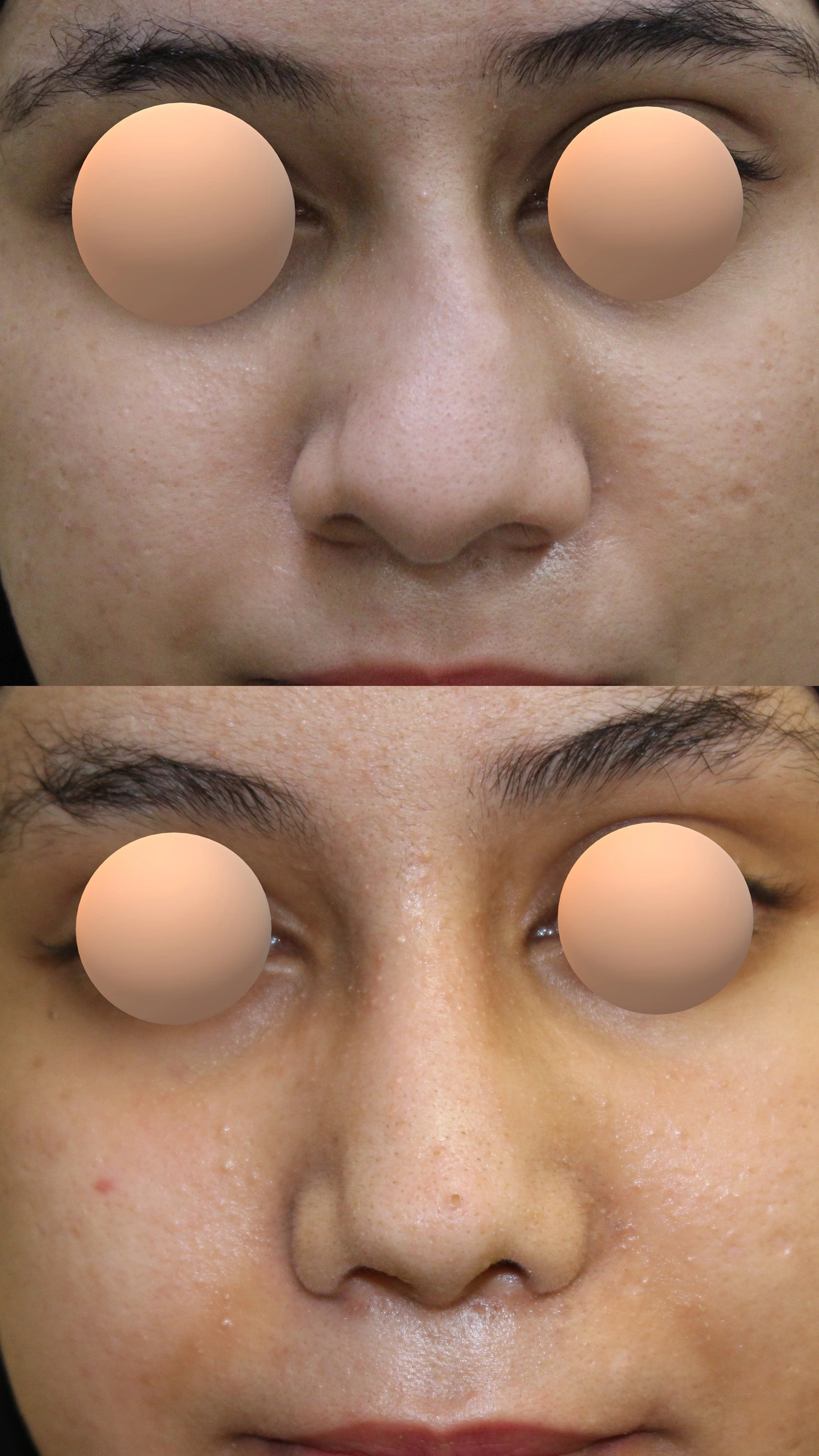
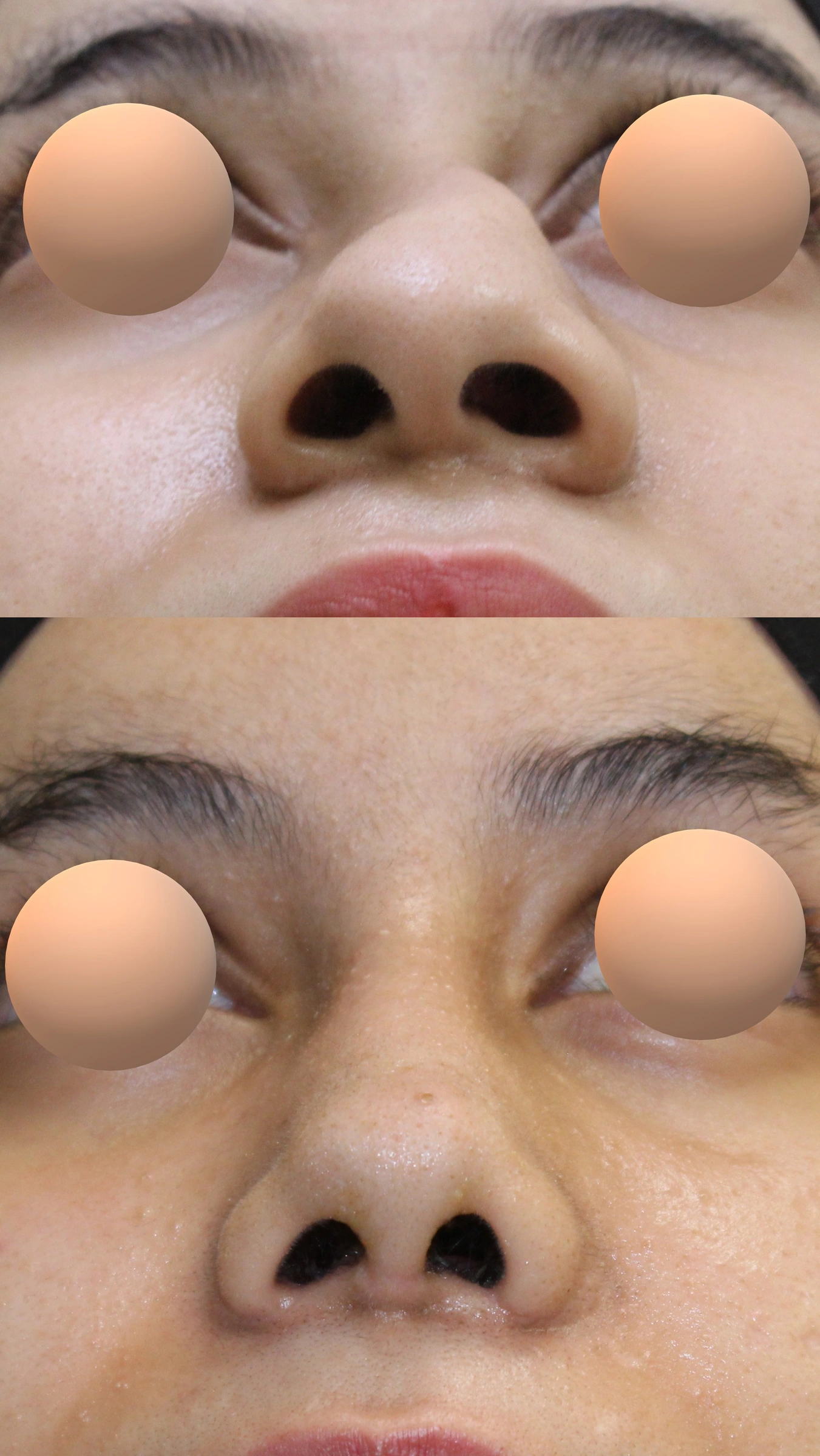
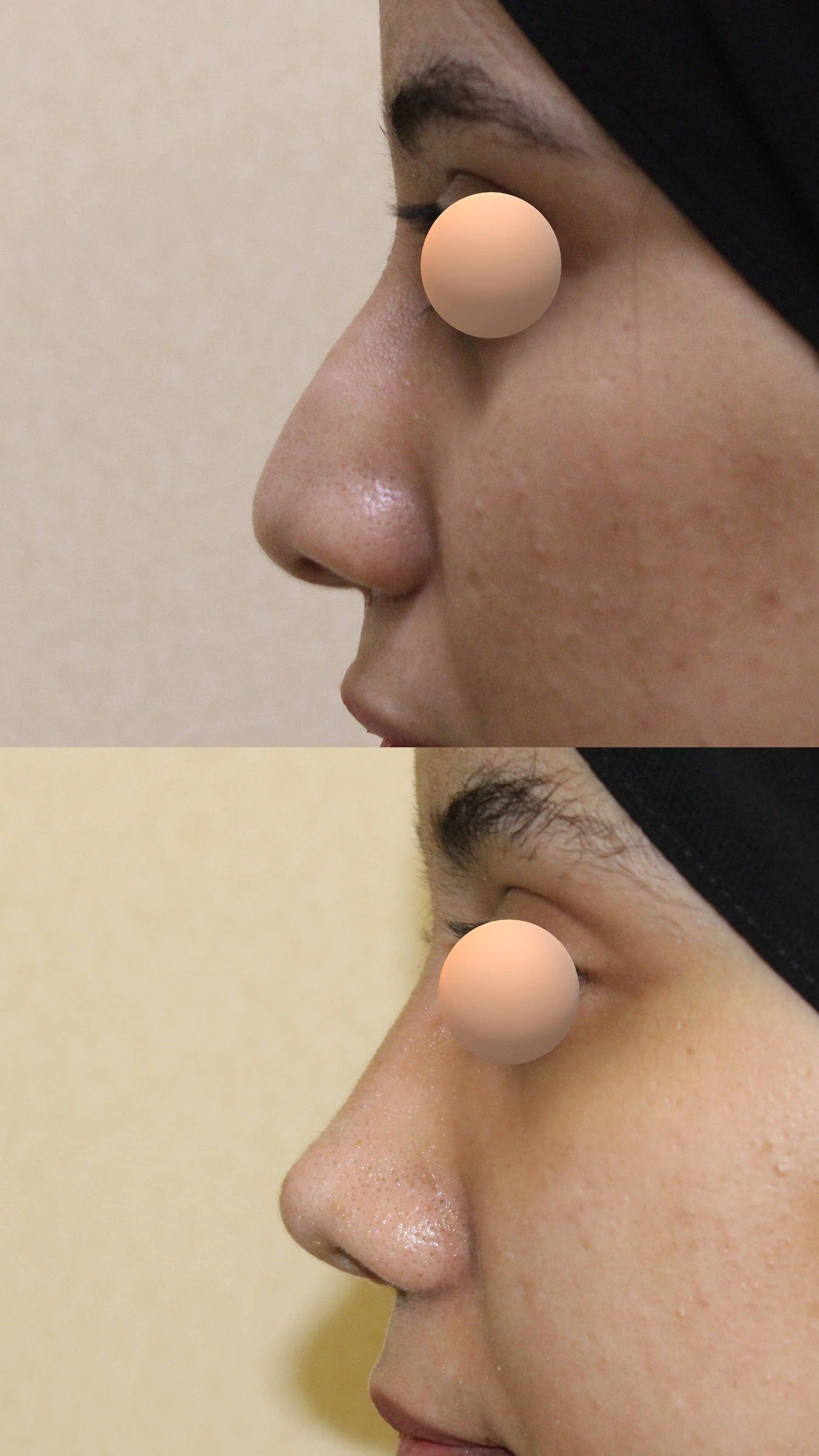
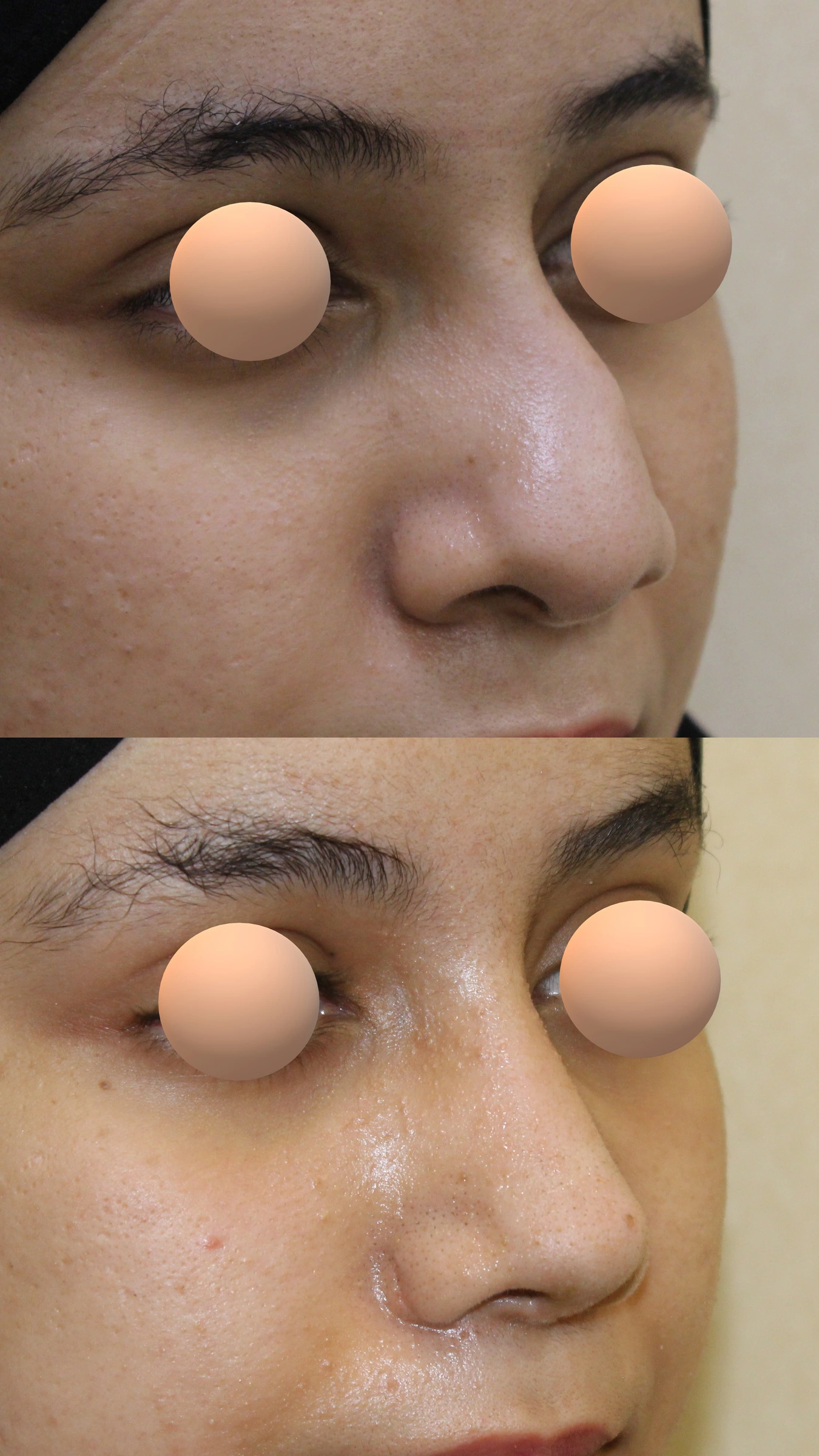
Rhinoplasty · case one
Start with the details that matter to you. Discuss them with Dr Haber to understand the options suited to your own features.
Explore the procedureDiscuss your own caseUNDERSTAND BEFORE YOU DECIDE
An assessment of nasal appearance and function, with a discussion of facial balance and the limits of achievable change.
Consultant plastic and reconstructive surgeon · Al Khobar
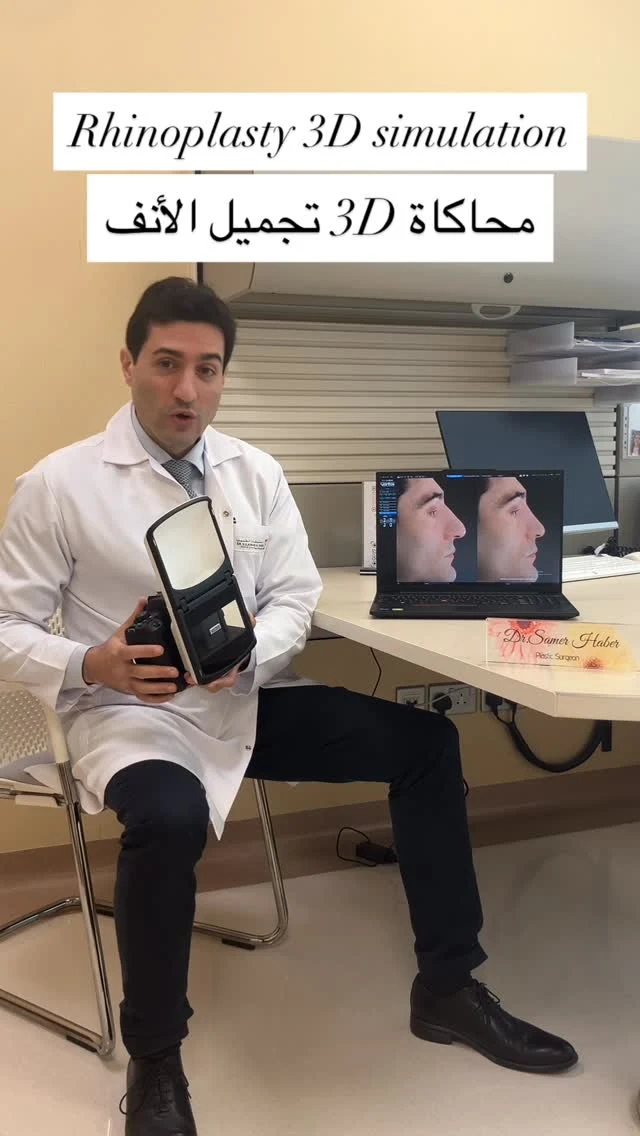
A CONVERSATION COMES FIRST
Your concerns may involve the bridge, tip or asymmetry; breathing may also be part of the picture. Planning starts with an examination of nasal structure and a discussion of your goals. Another person's photograph cannot define a result that is reproducible for everyone.
Your goals and individual assessment guide the plan.
Preservation surgery aims to reshape the nose while retaining suitable parts of its original structure. A closed approach describes incisions made inside the nose. Anatomy and the intended changes determine suitability; the technique does not guarantee a particular breathing outcome.
A CLOSER ASSESSMENT
Small differences in skin and internal support affect what can be achieved.
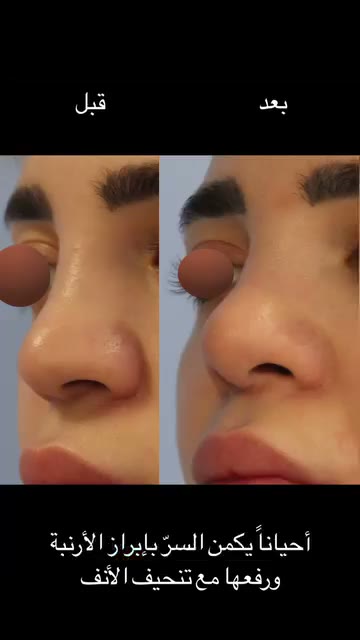
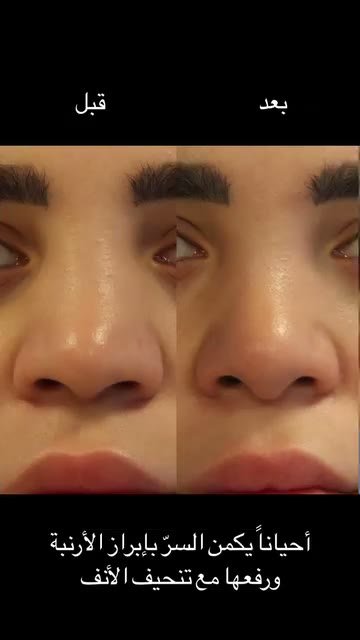
A fuller tip does not necessarily mean excess fat. Skin thickness and cartilage strength and shape affect achievable definition, so these need examination rather than choosing a shape from a photograph.
Revision assessment considers previous changes, remaining support and breathing. Cartilage grafts from the septum, ear or rib may be discussed as needed; rib cartilage is not required in every case.
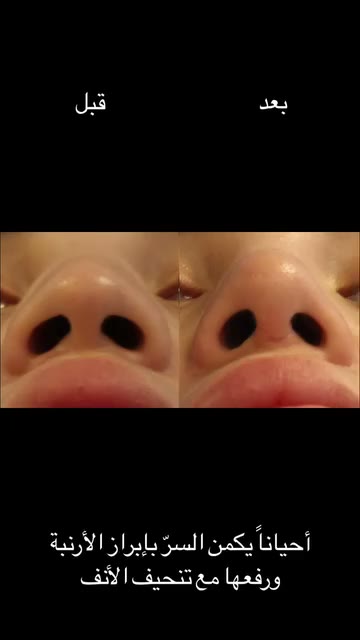
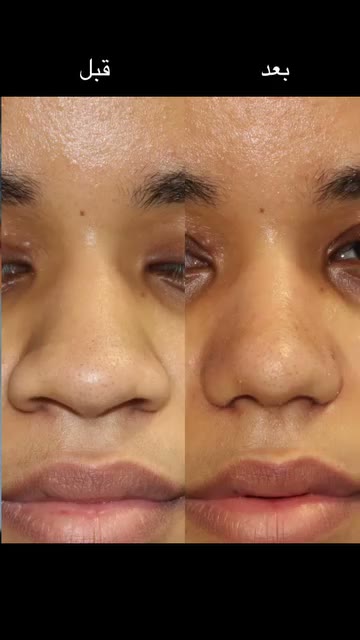
Changing nostril width is a separate decision from refining the tip. Incisions at natural creases may be needed; planning addresses the extent of change, scarring and symmetry without promising an invisible scar.
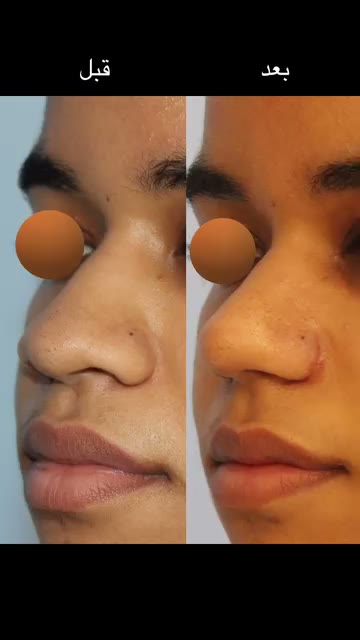
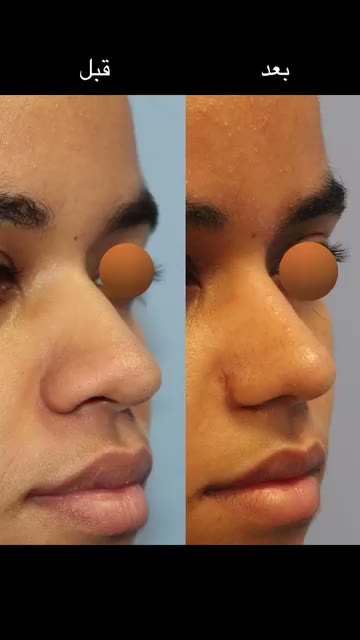
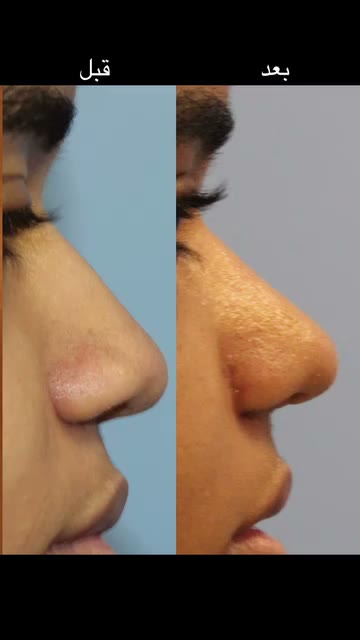
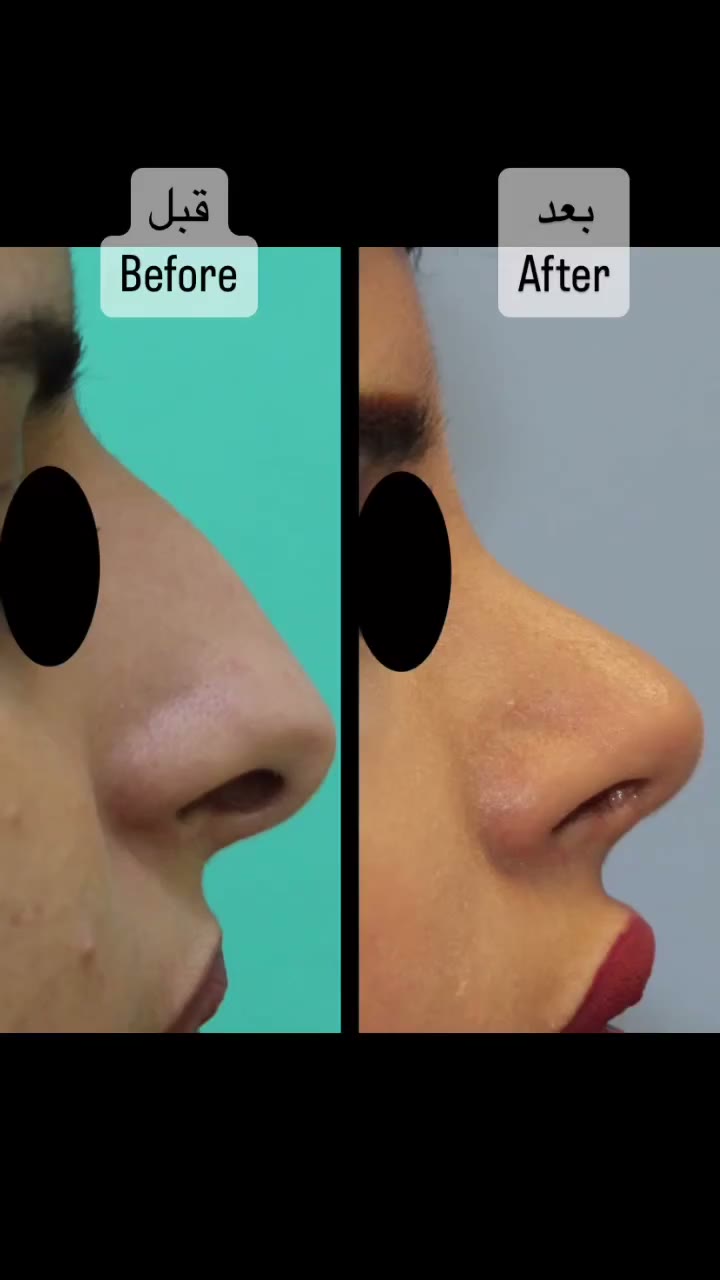
SELECTED RESULTS
Rhinoplasty
Start with the details that matter to you. Discuss them with Dr Haber to understand the options suited to your own features.
Explore the procedureDiscuss your own caseRhinoplasty
Start with the details that matter to you. Discuss them with Dr Haber to understand the options suited to your own features.
Explore the procedureDiscuss your own caseRhinoplasty
Start with the details that matter to you. Discuss them with Dr Haber to understand the options suited to your own features.
Explore the procedureDiscuss your own caseRhinoplasty
Start with the details that matter to you. Discuss them with Dr Haber to understand the options suited to your own features.
Explore the procedureDiscuss your own case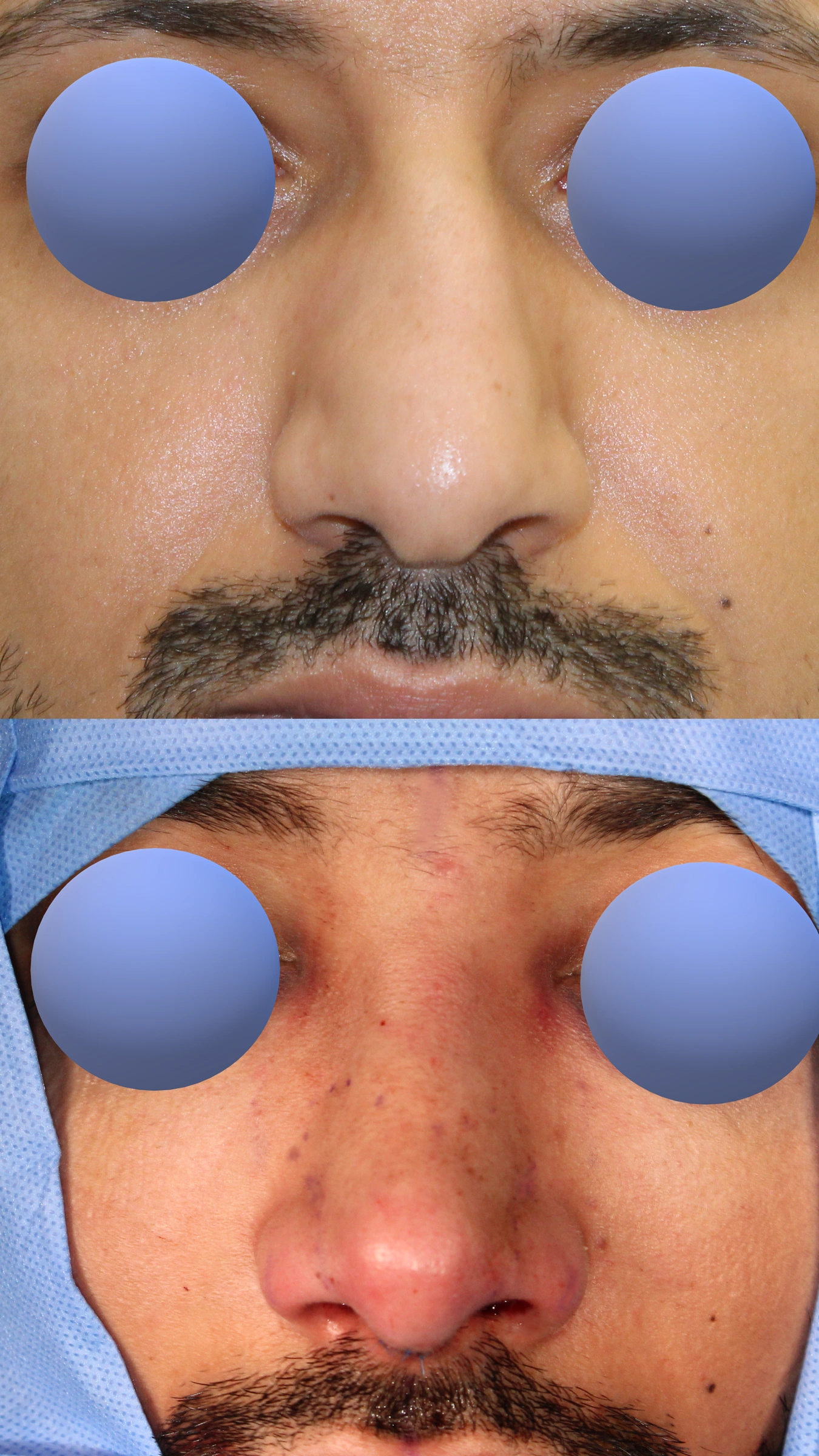
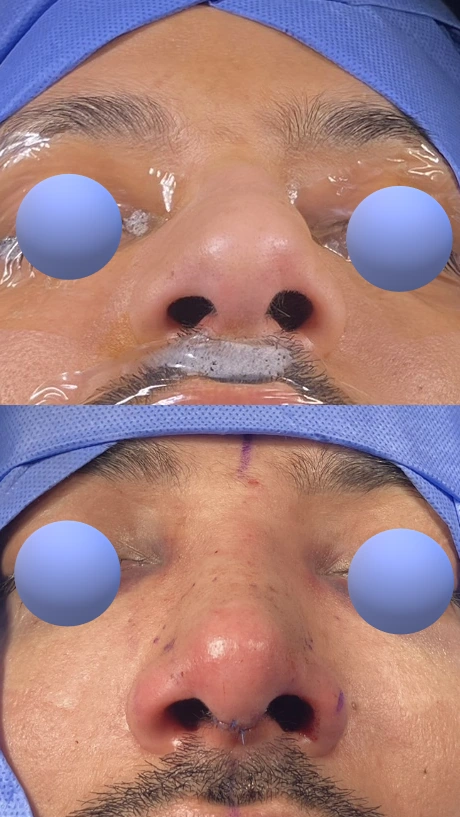
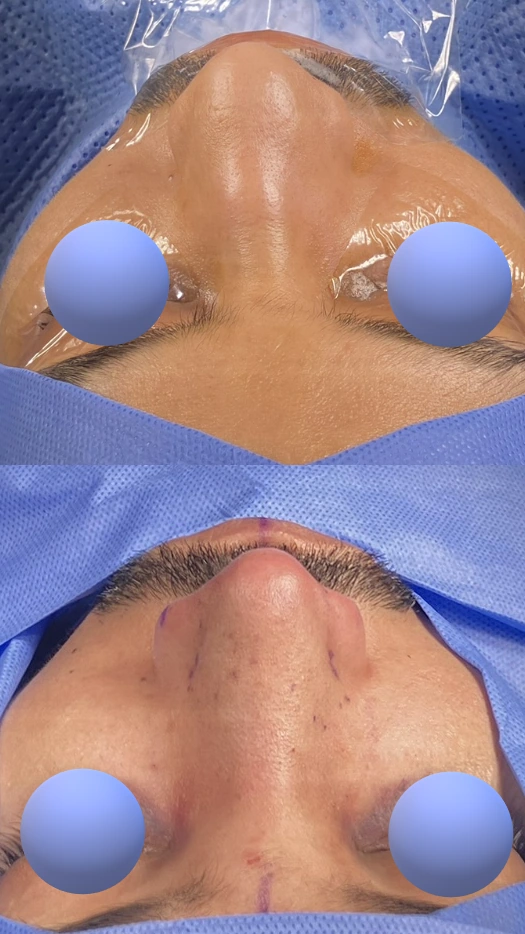
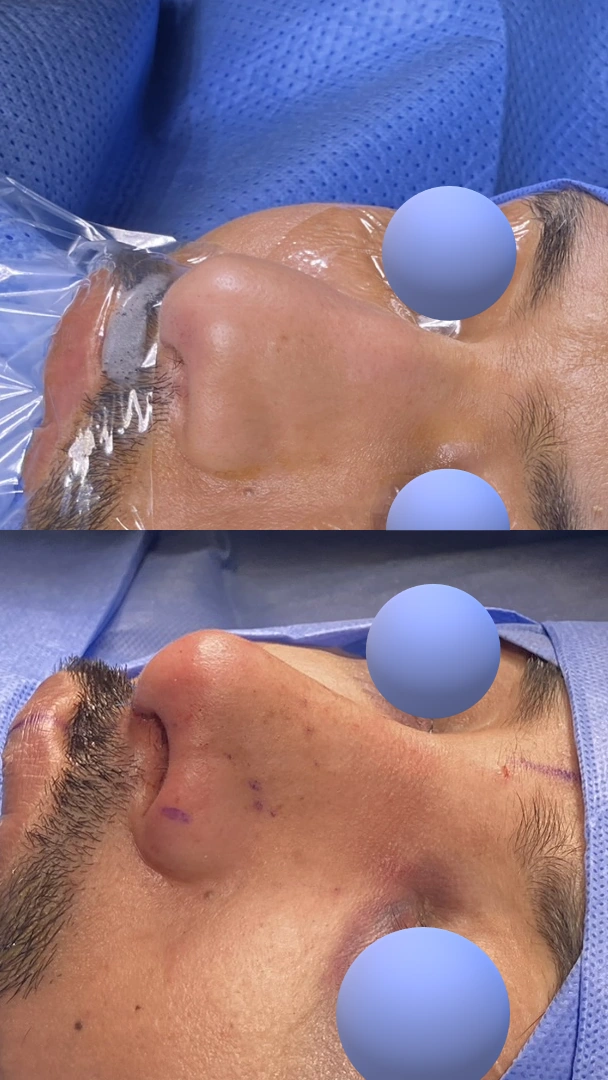
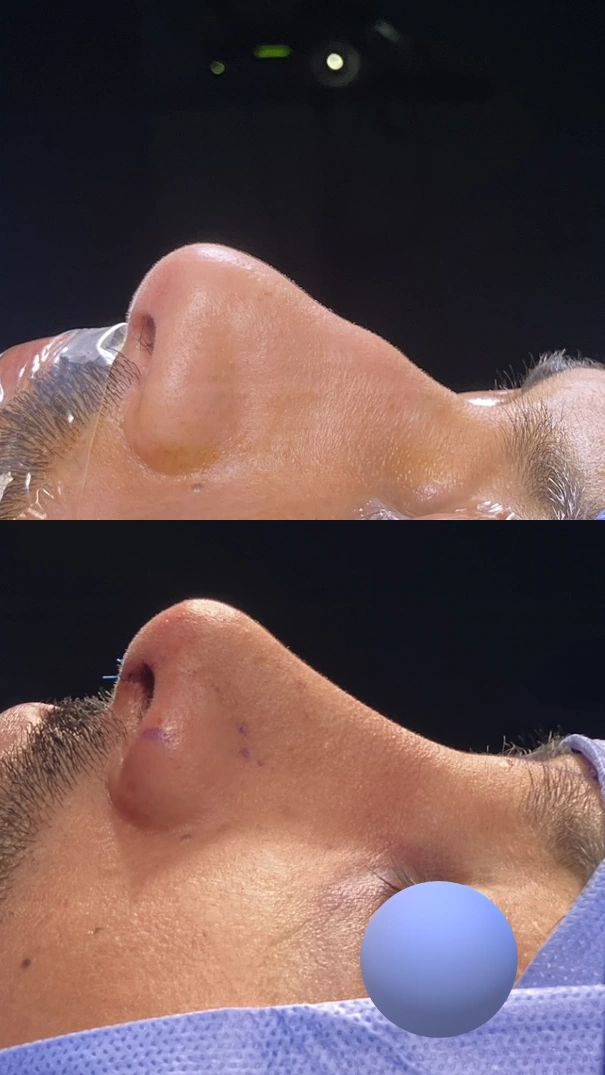
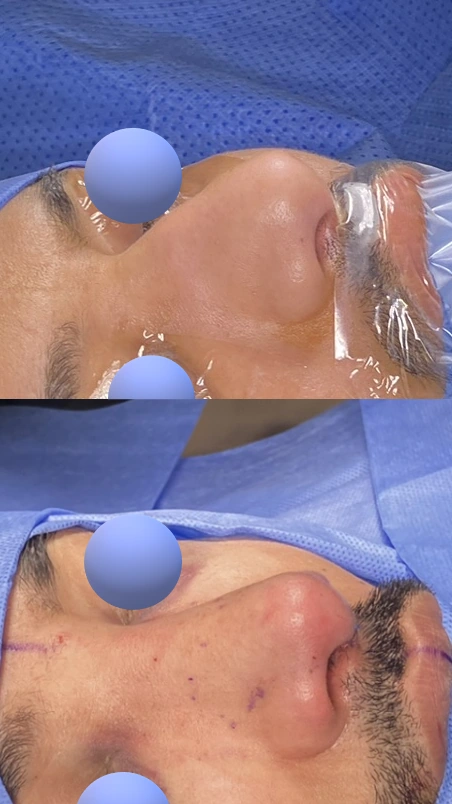
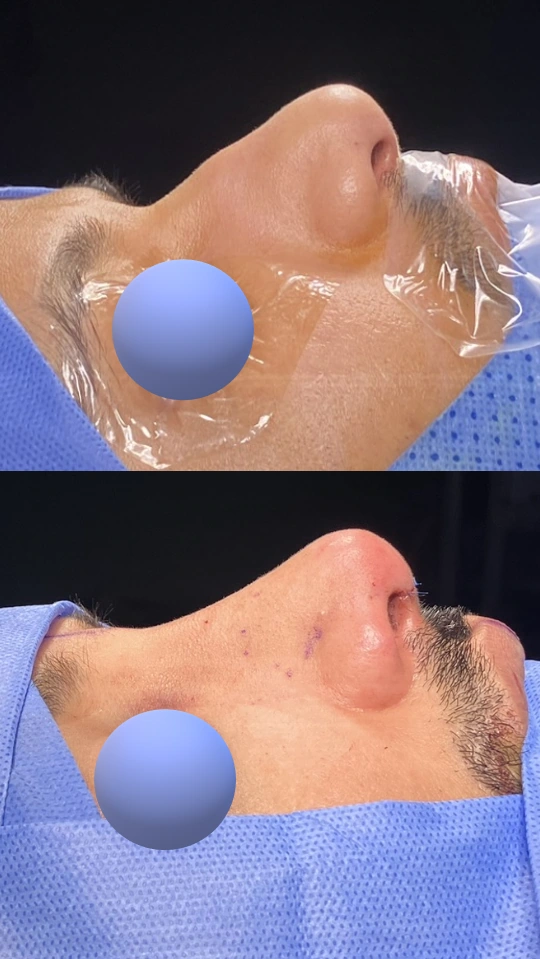
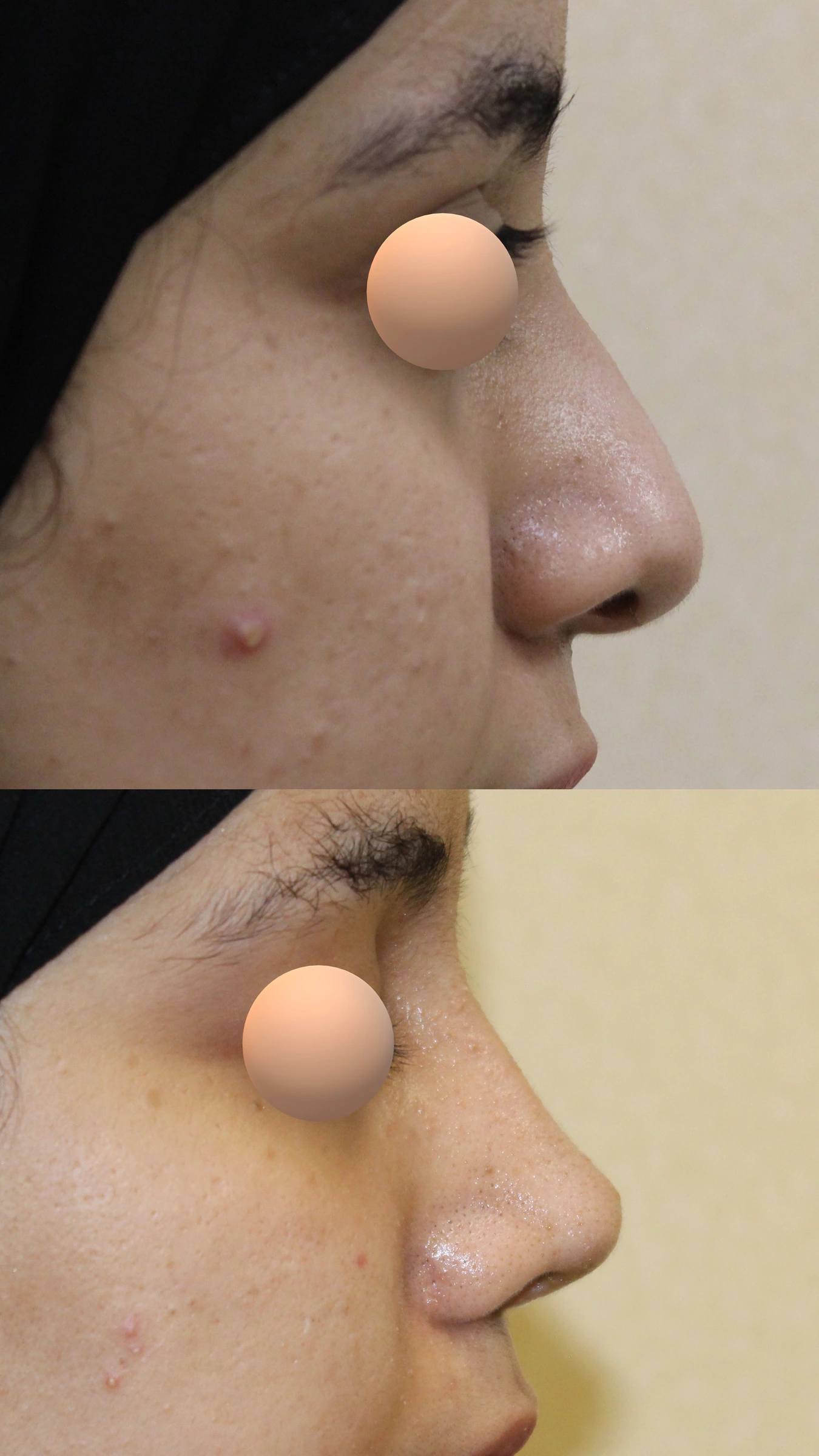
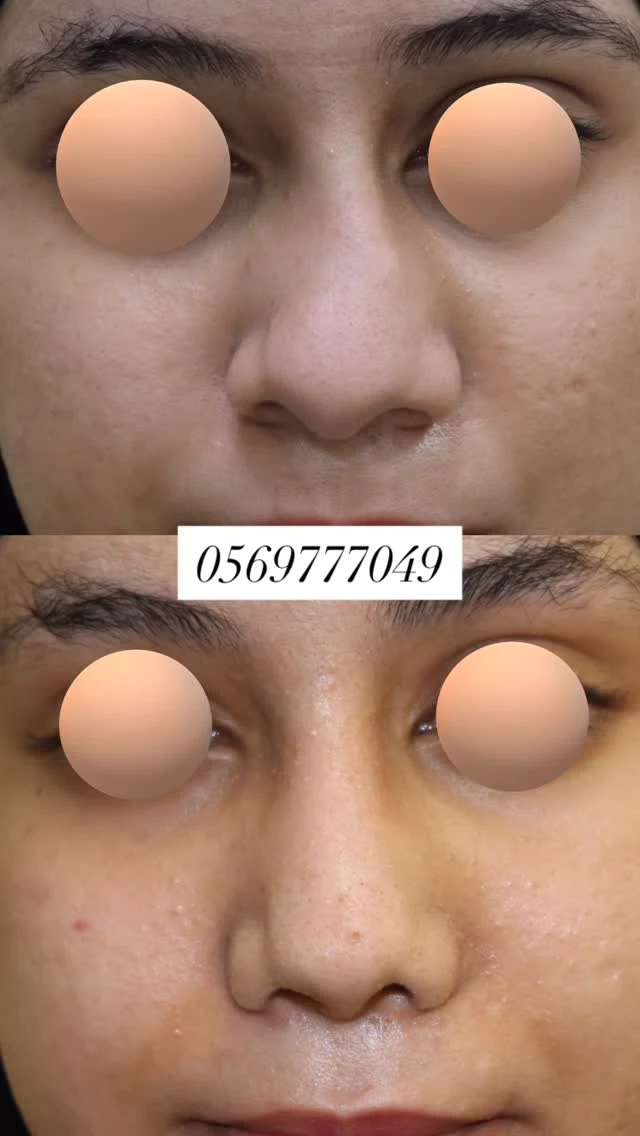
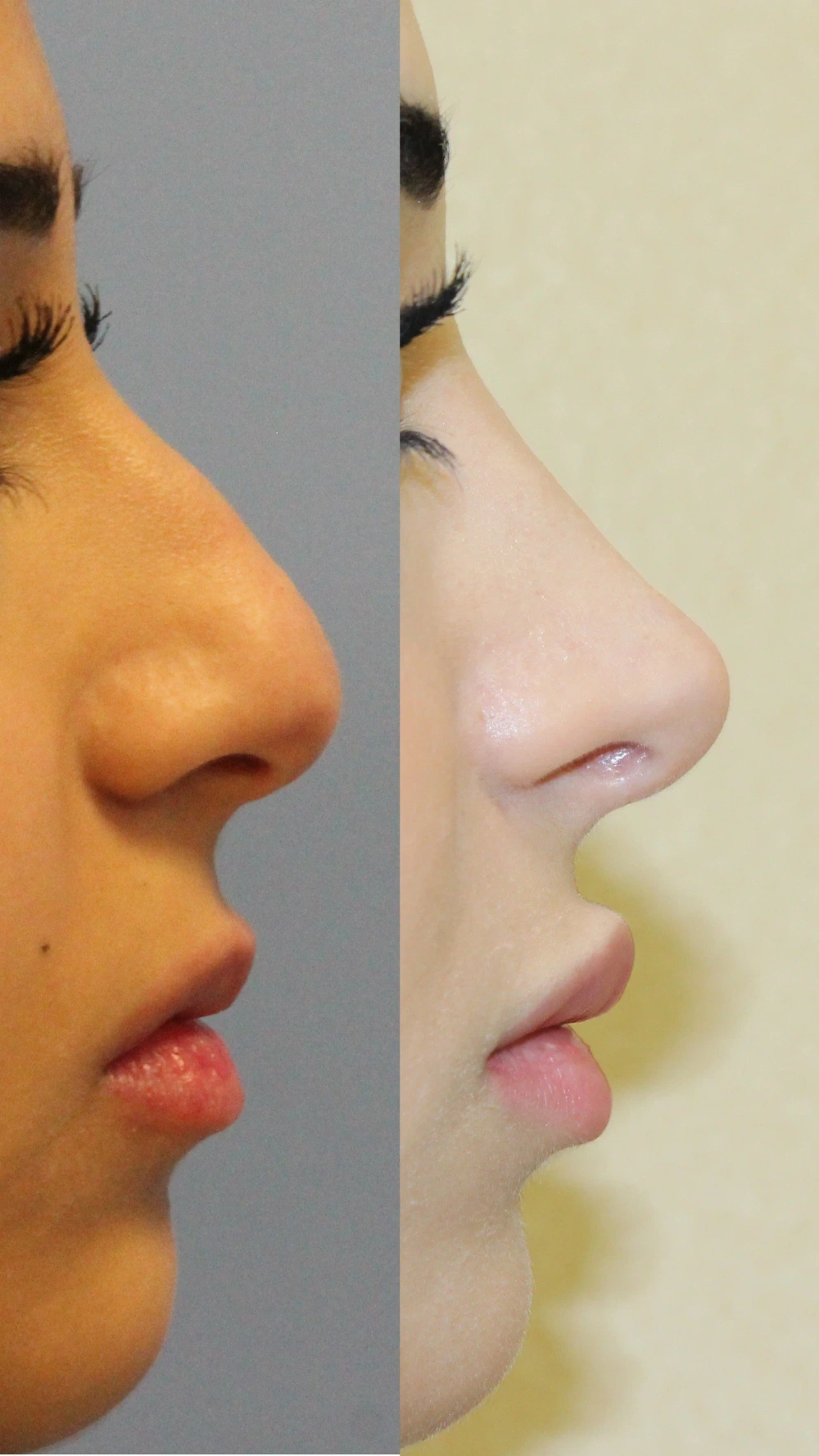
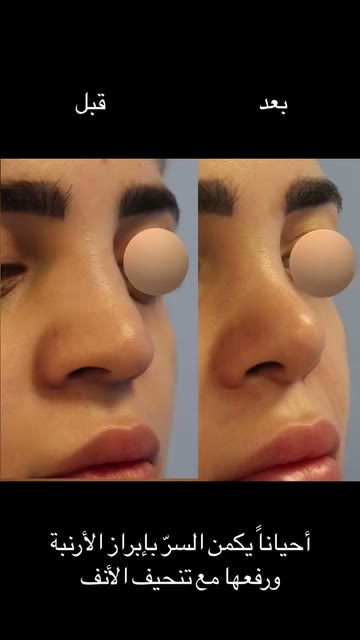
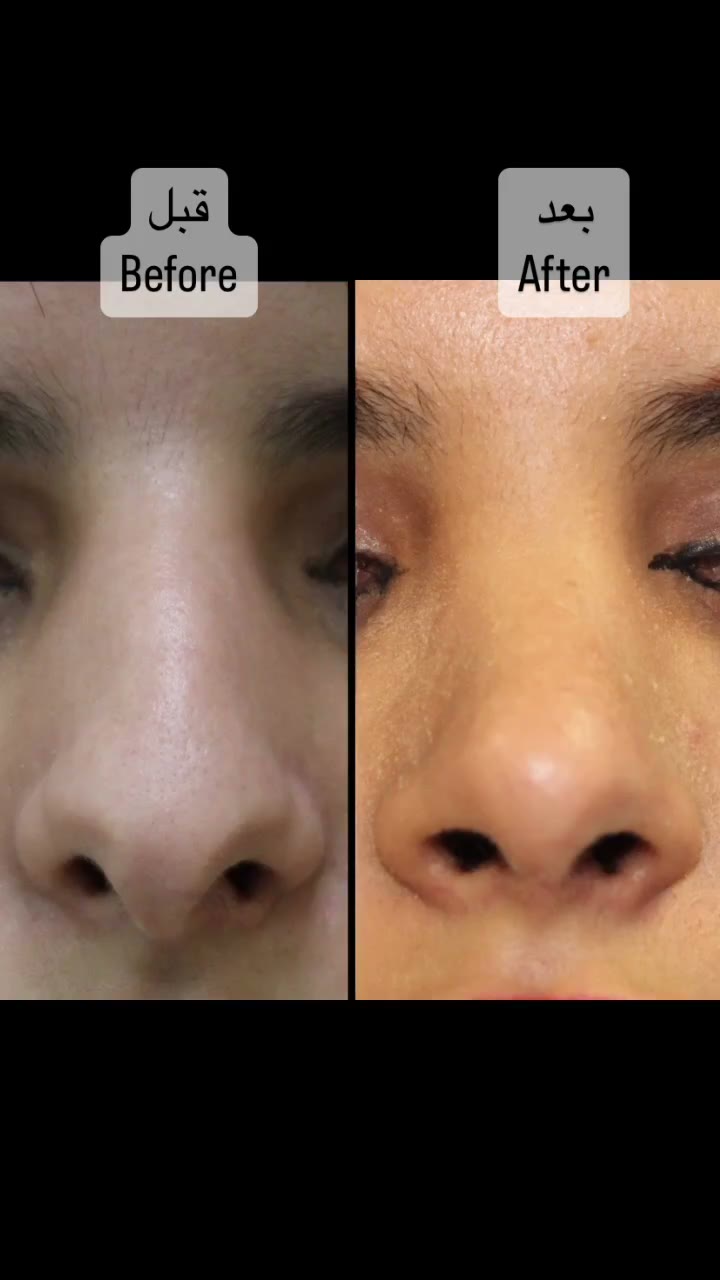
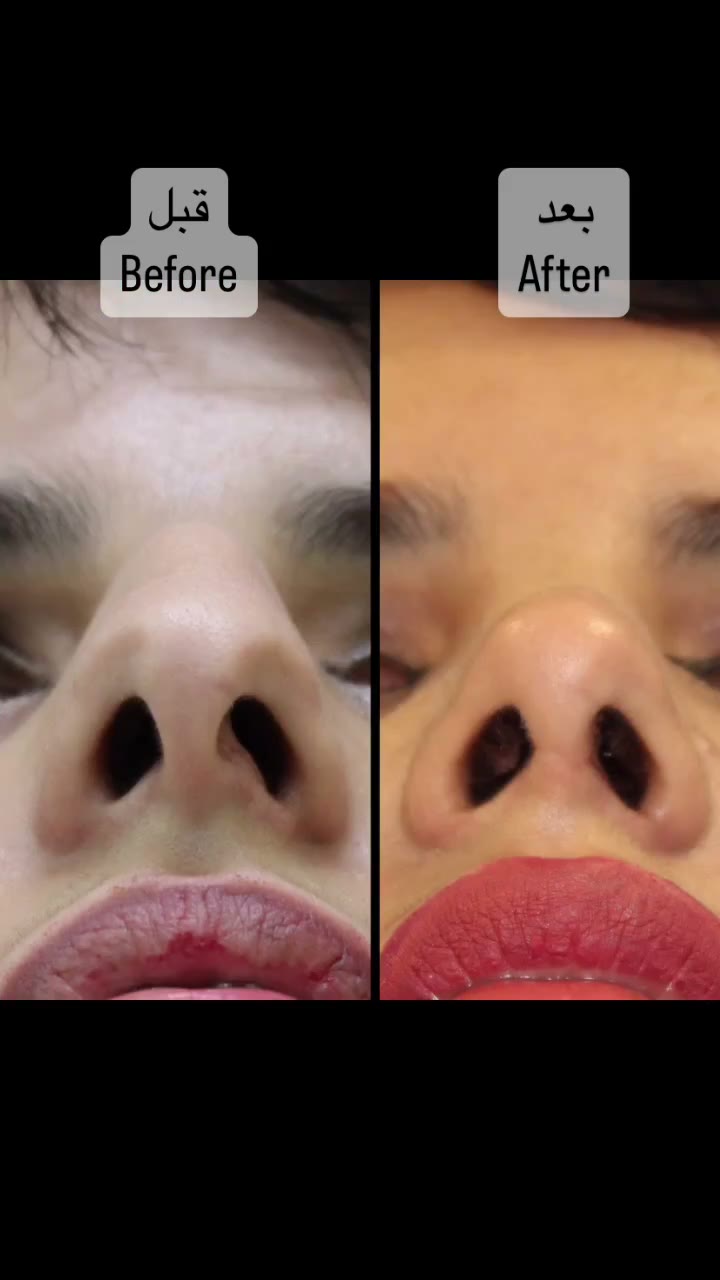
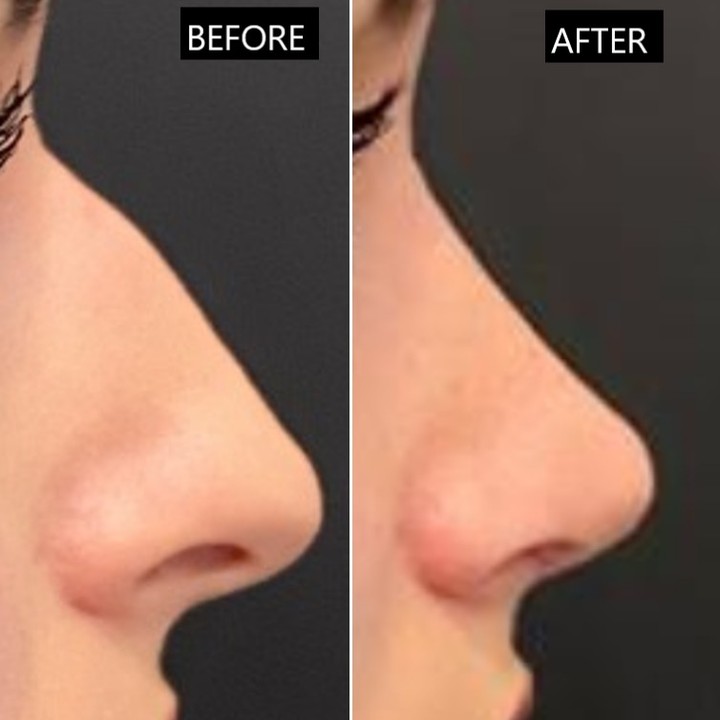
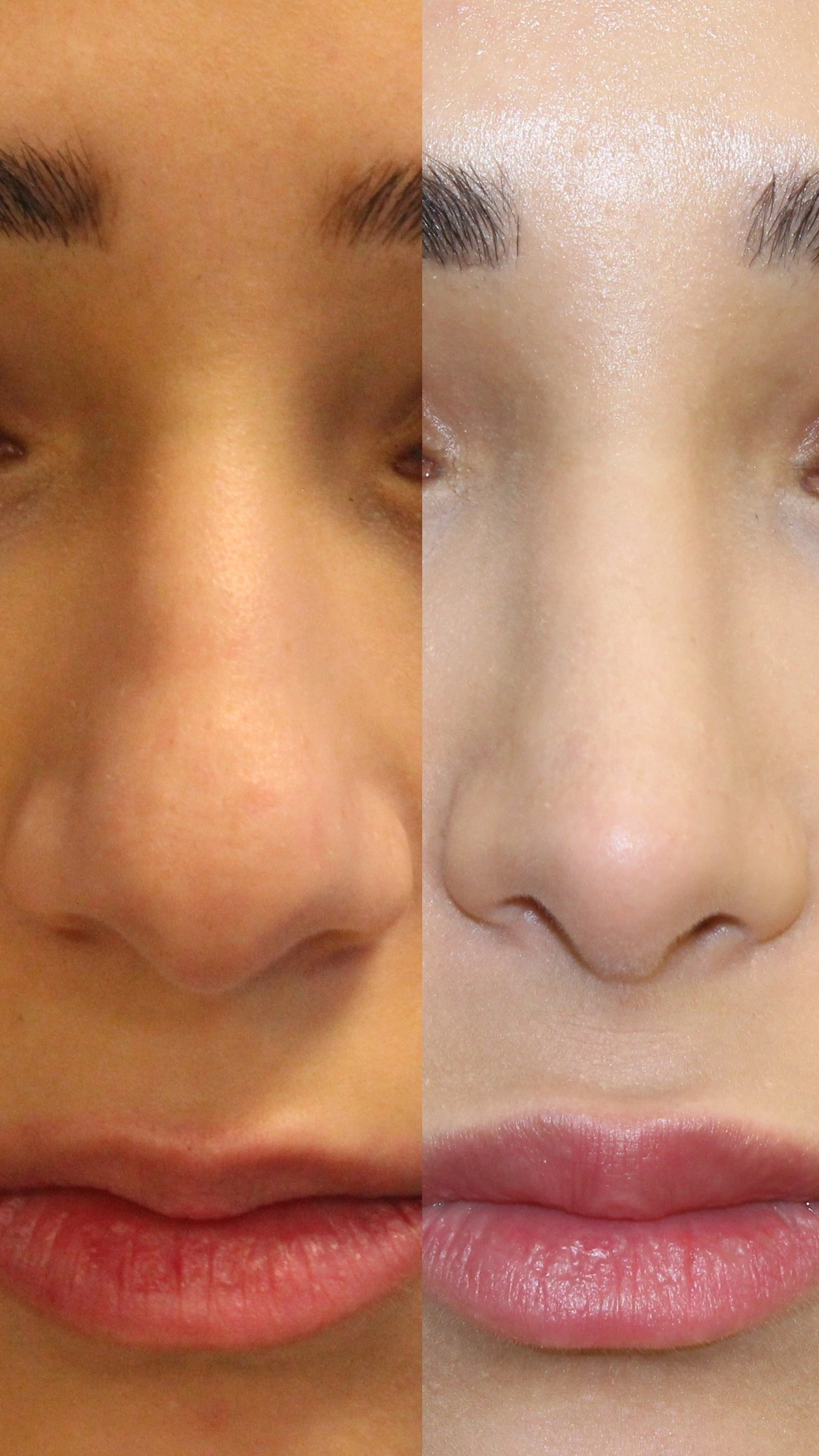
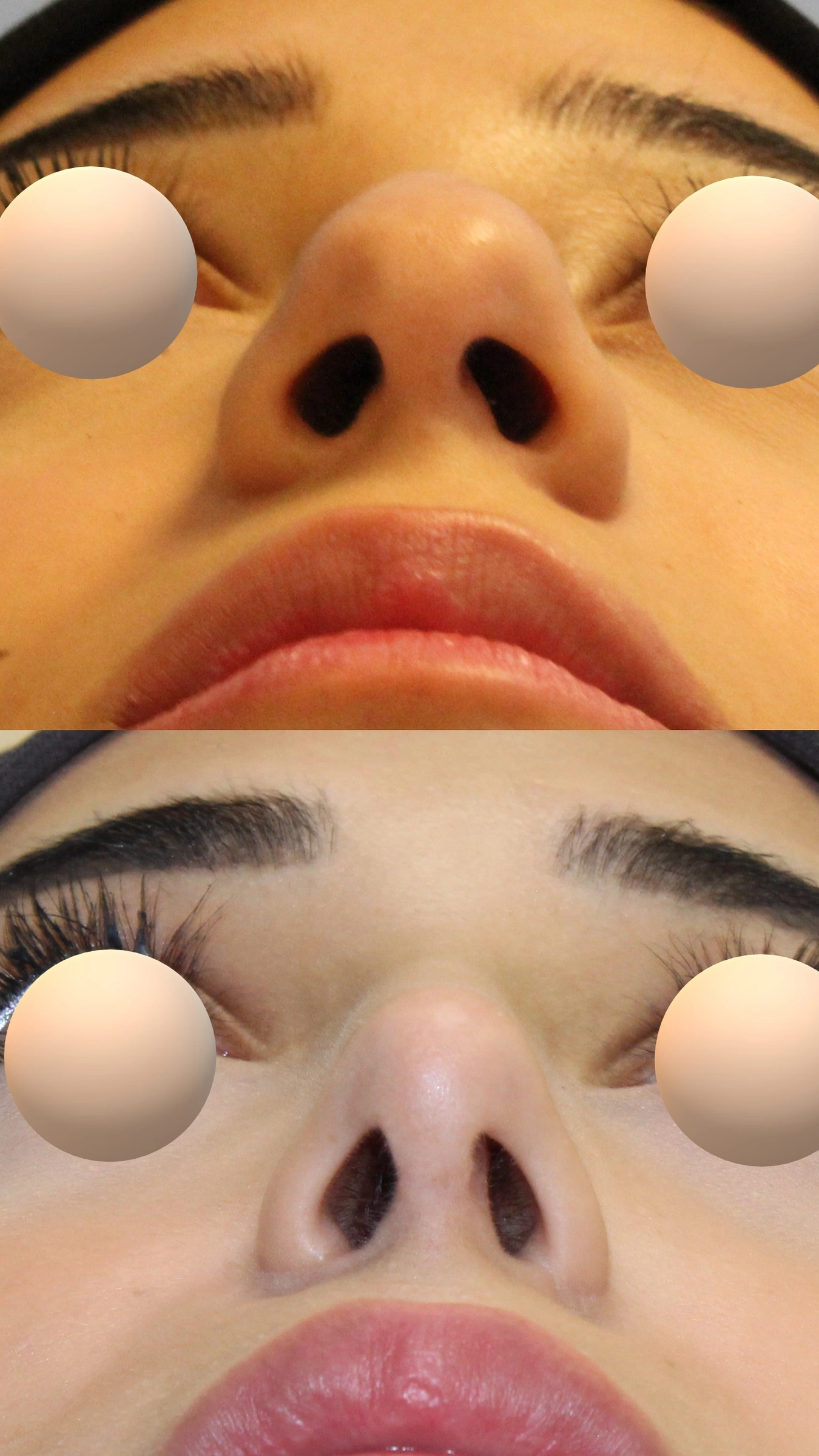
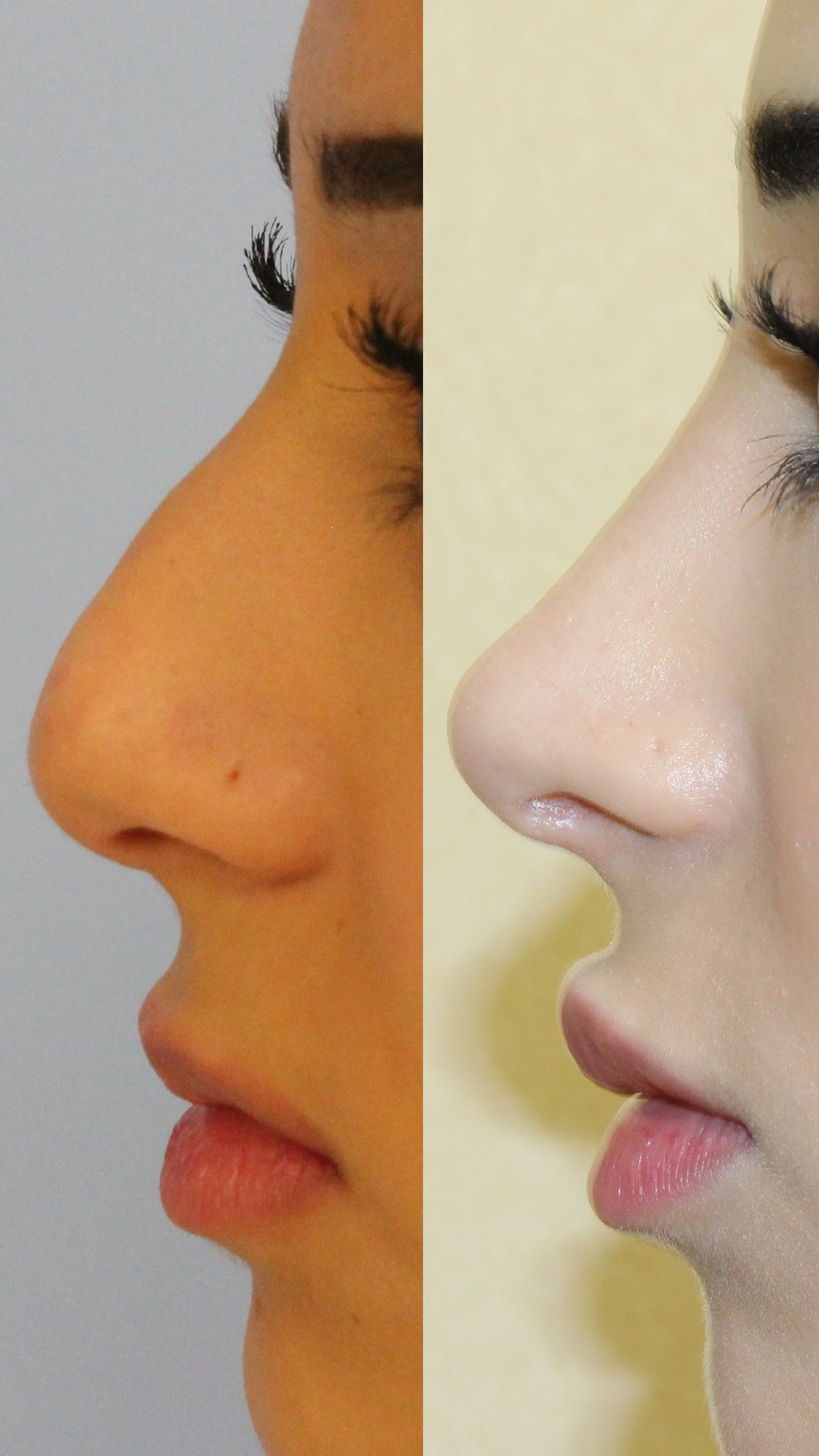
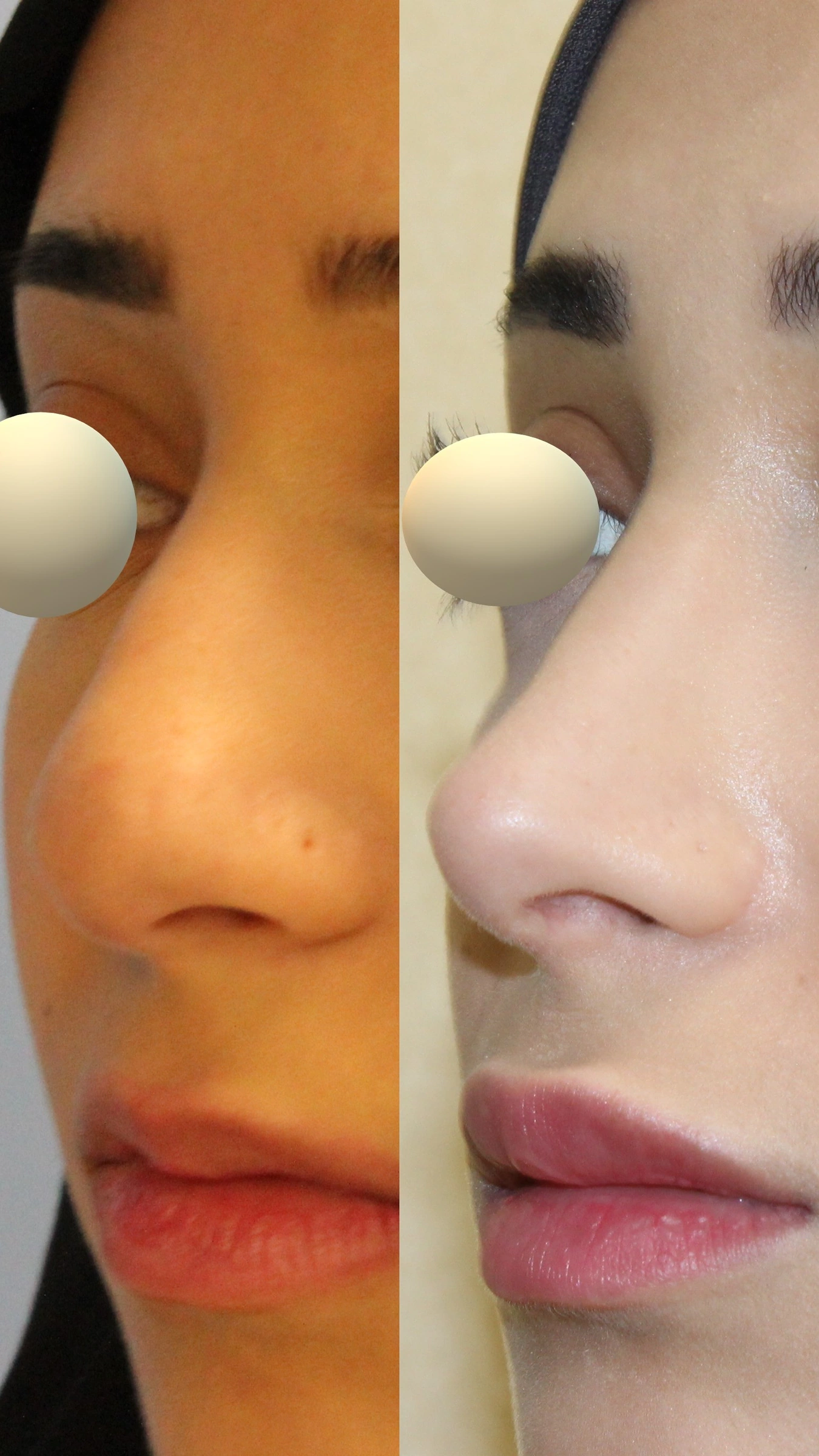
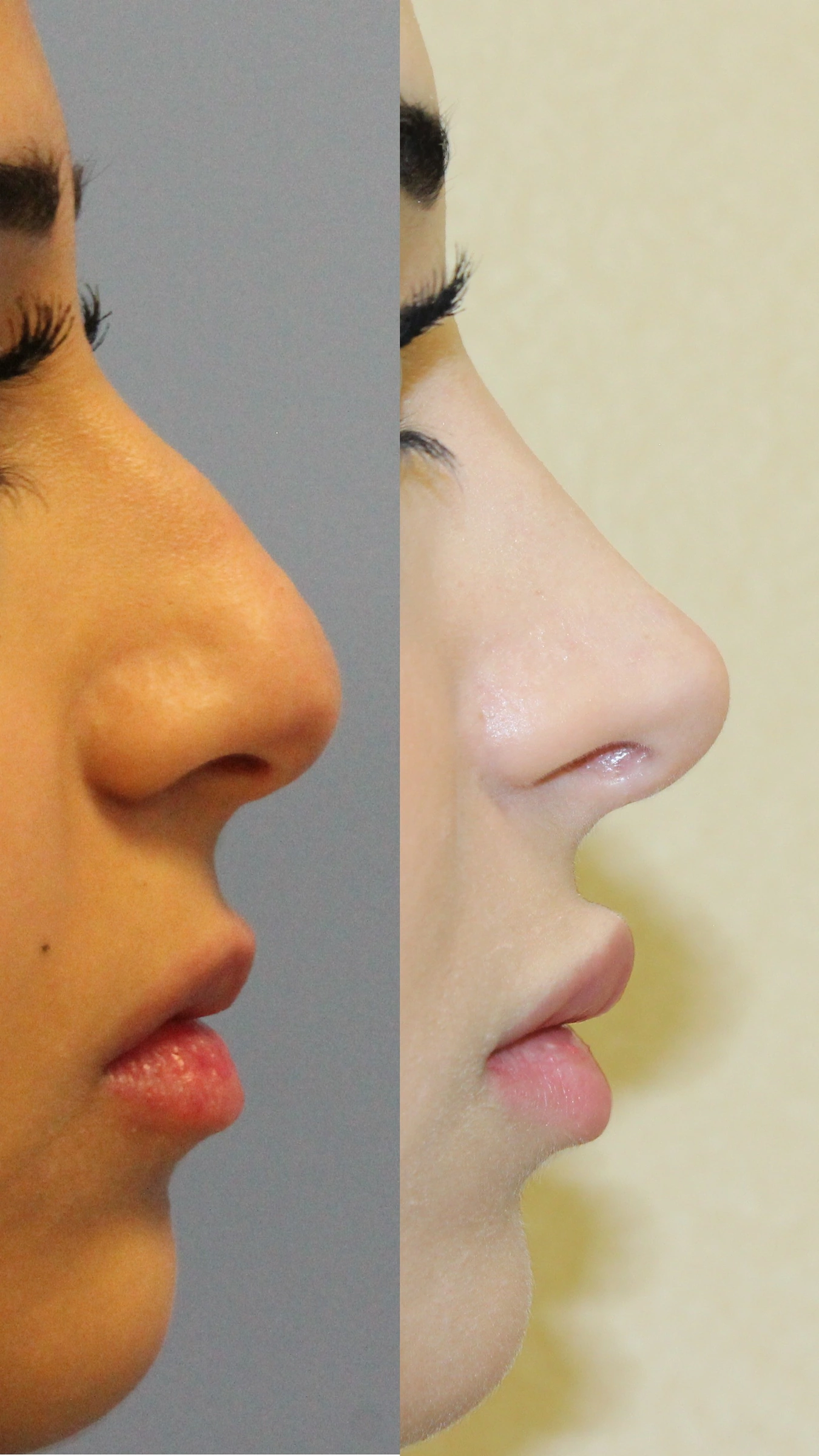
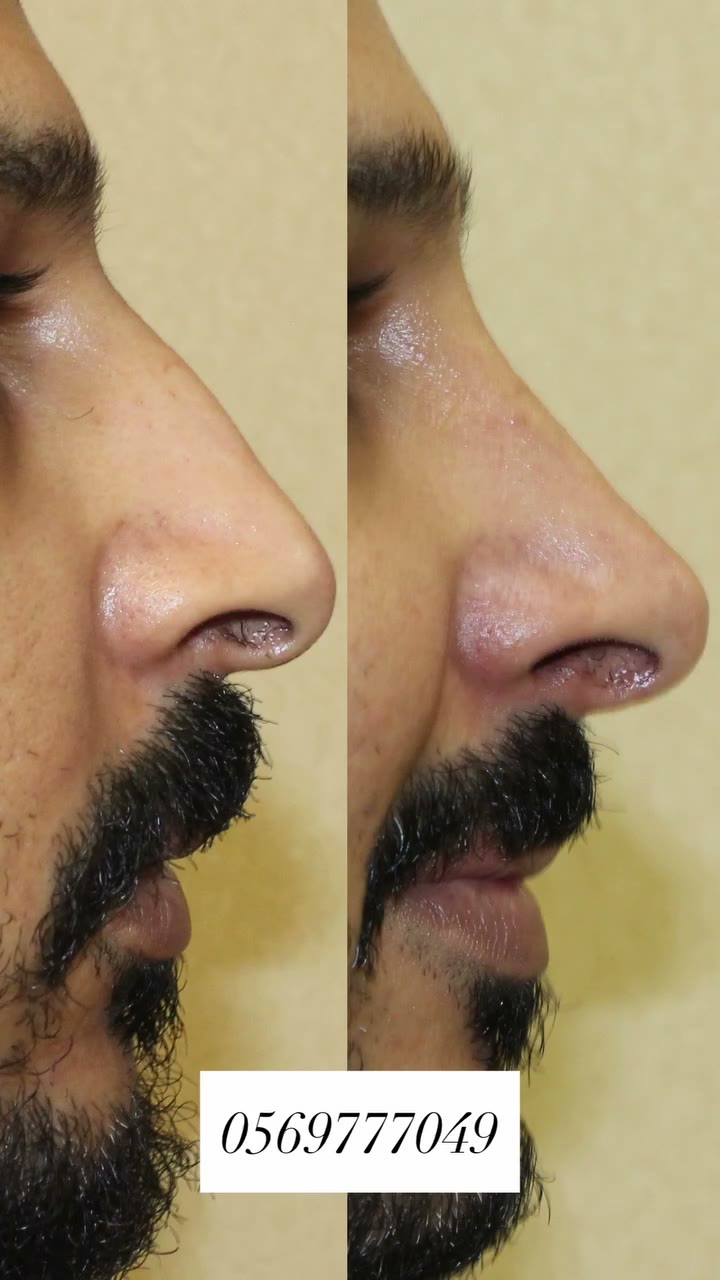
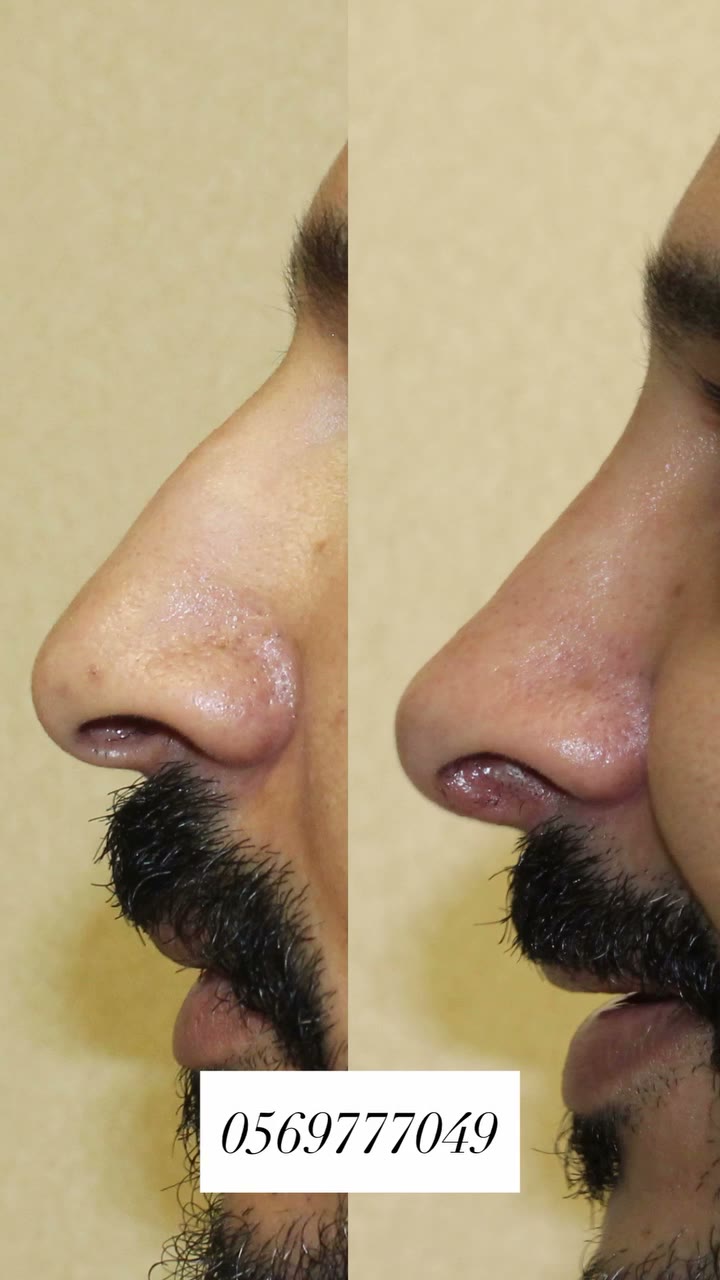
Photographs around the time of surgery; not the final healed result.
Rhinoplasty
Start with the details that matter to you. Discuss them with Dr Haber to understand the options suited to your own features.
Explore the procedureDiscuss your own case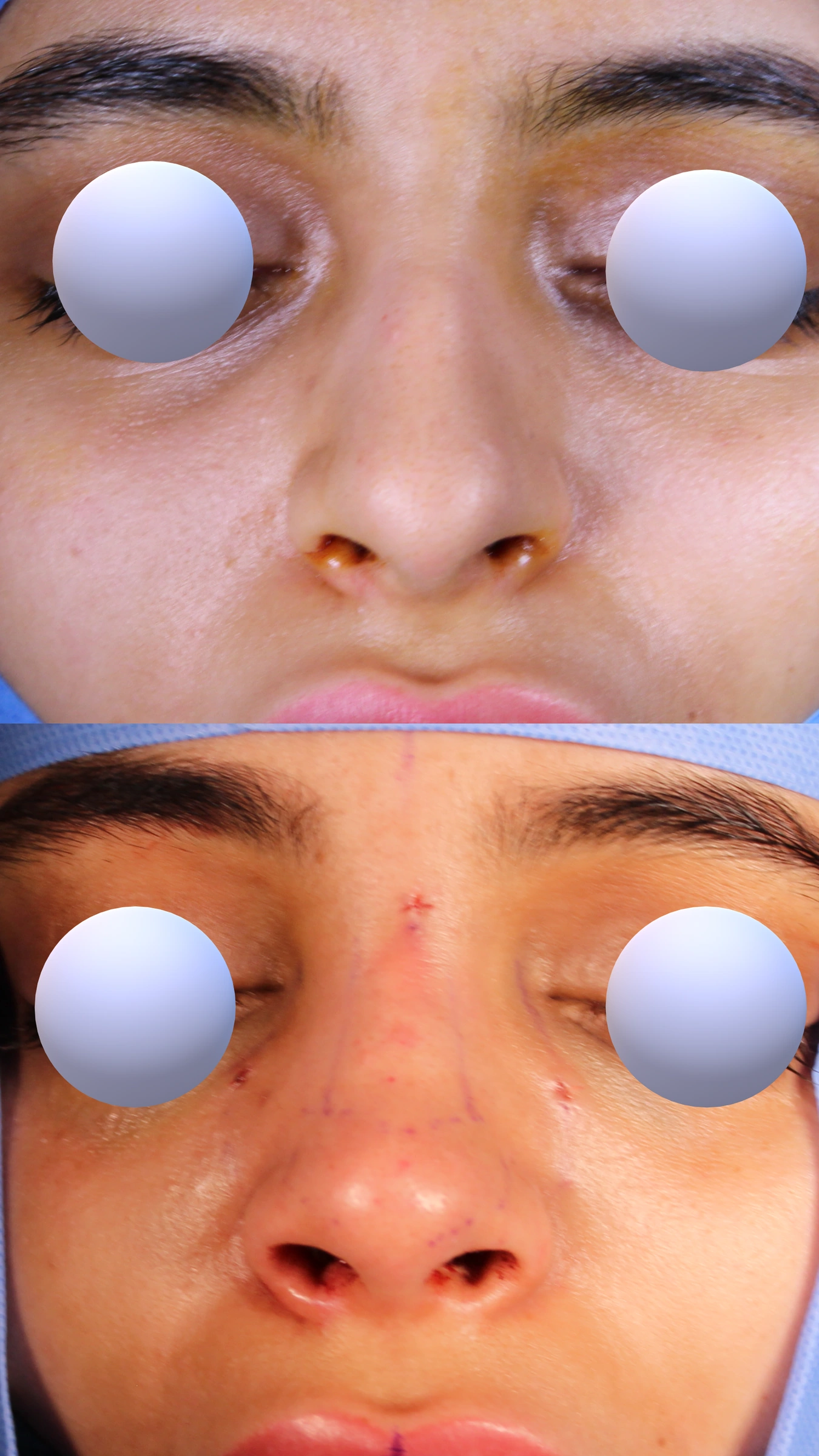
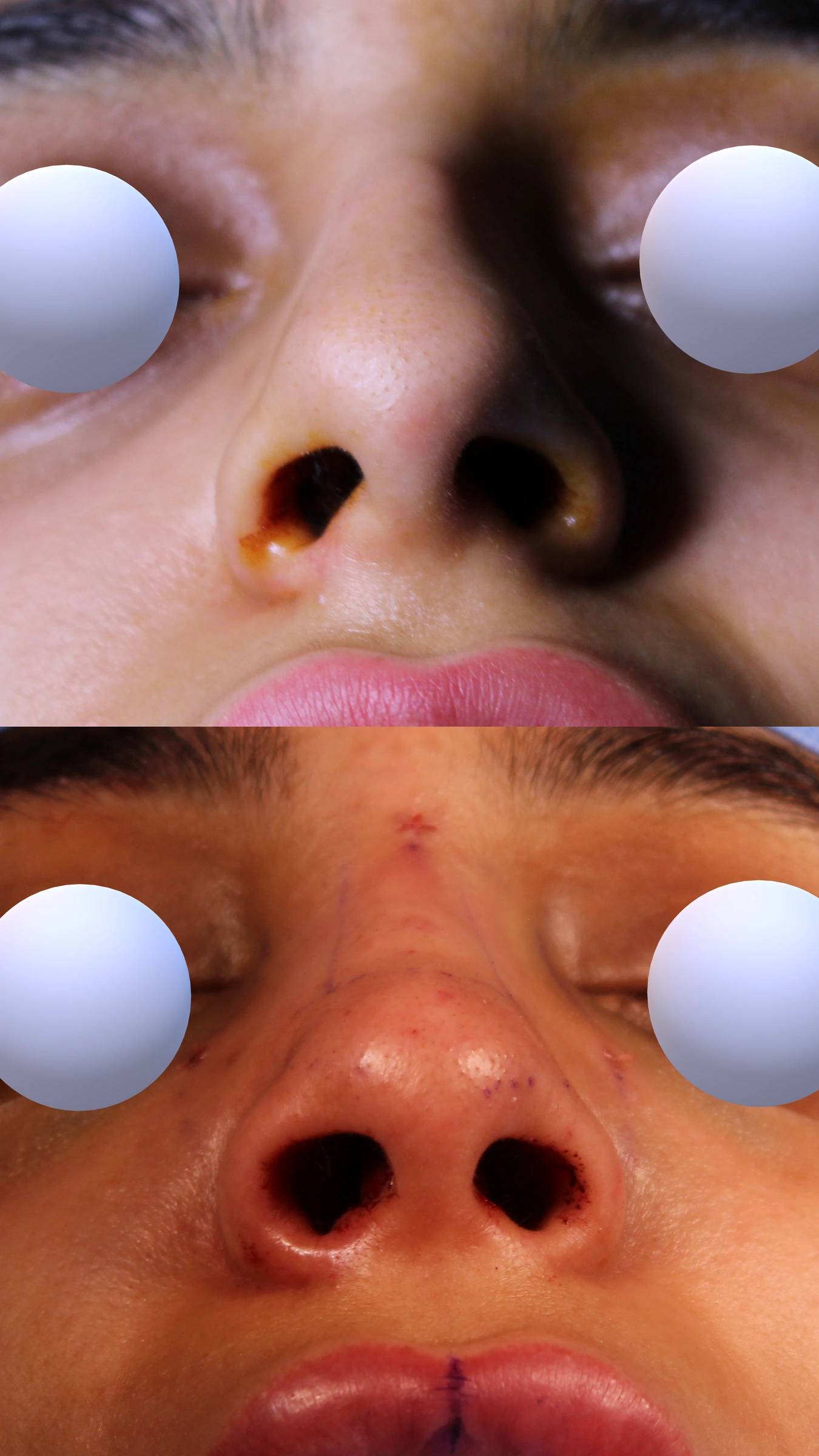
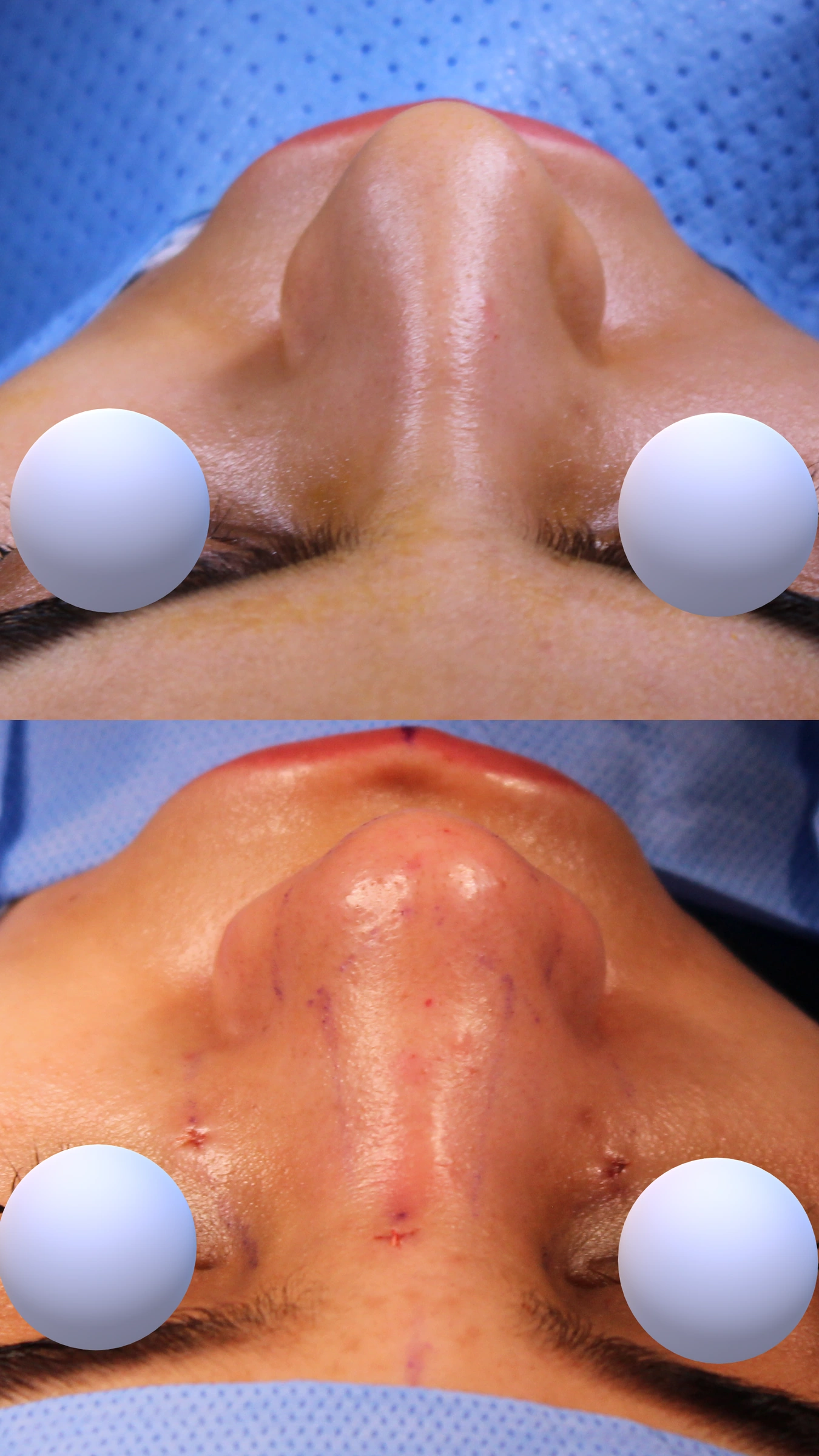
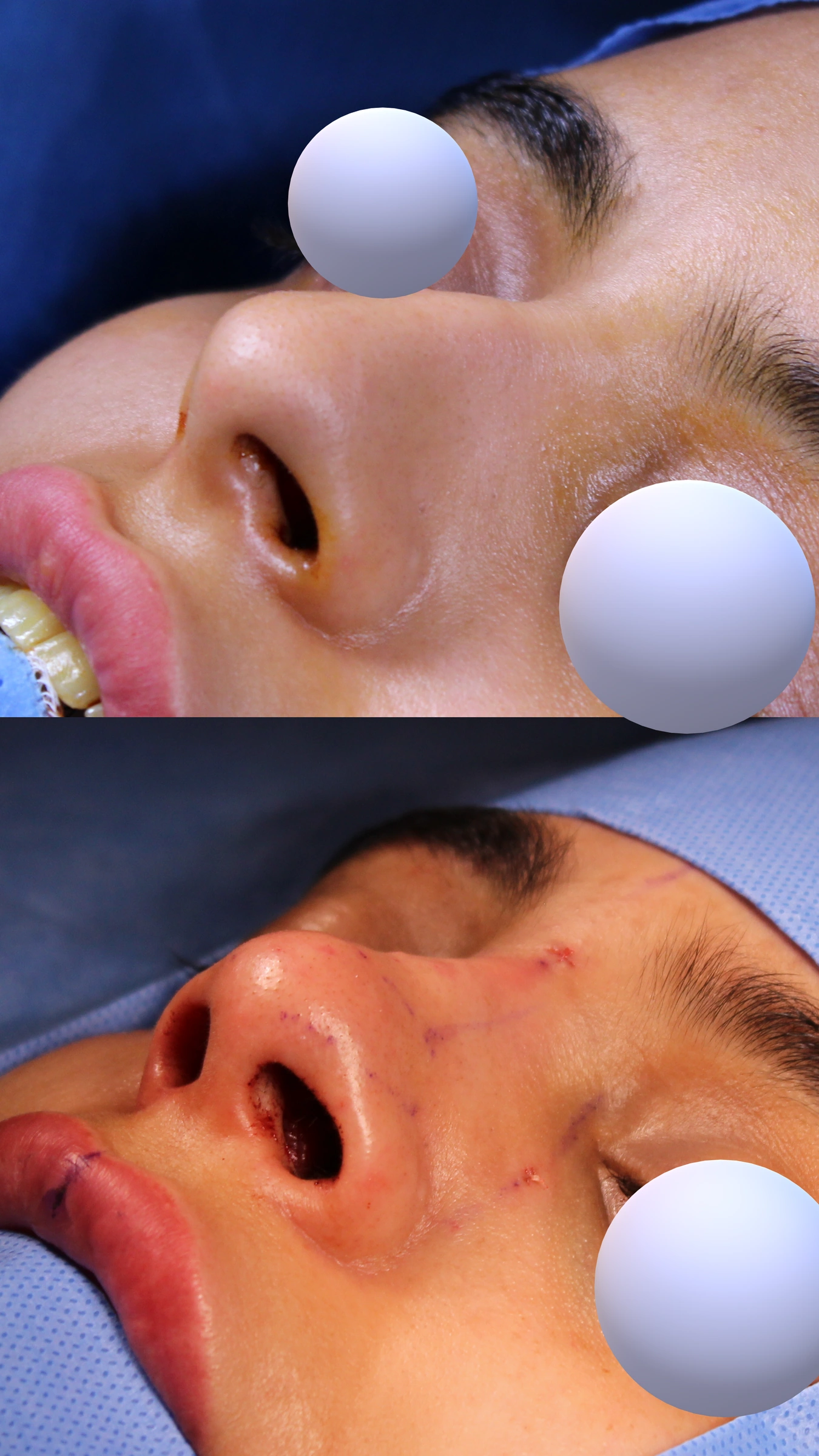
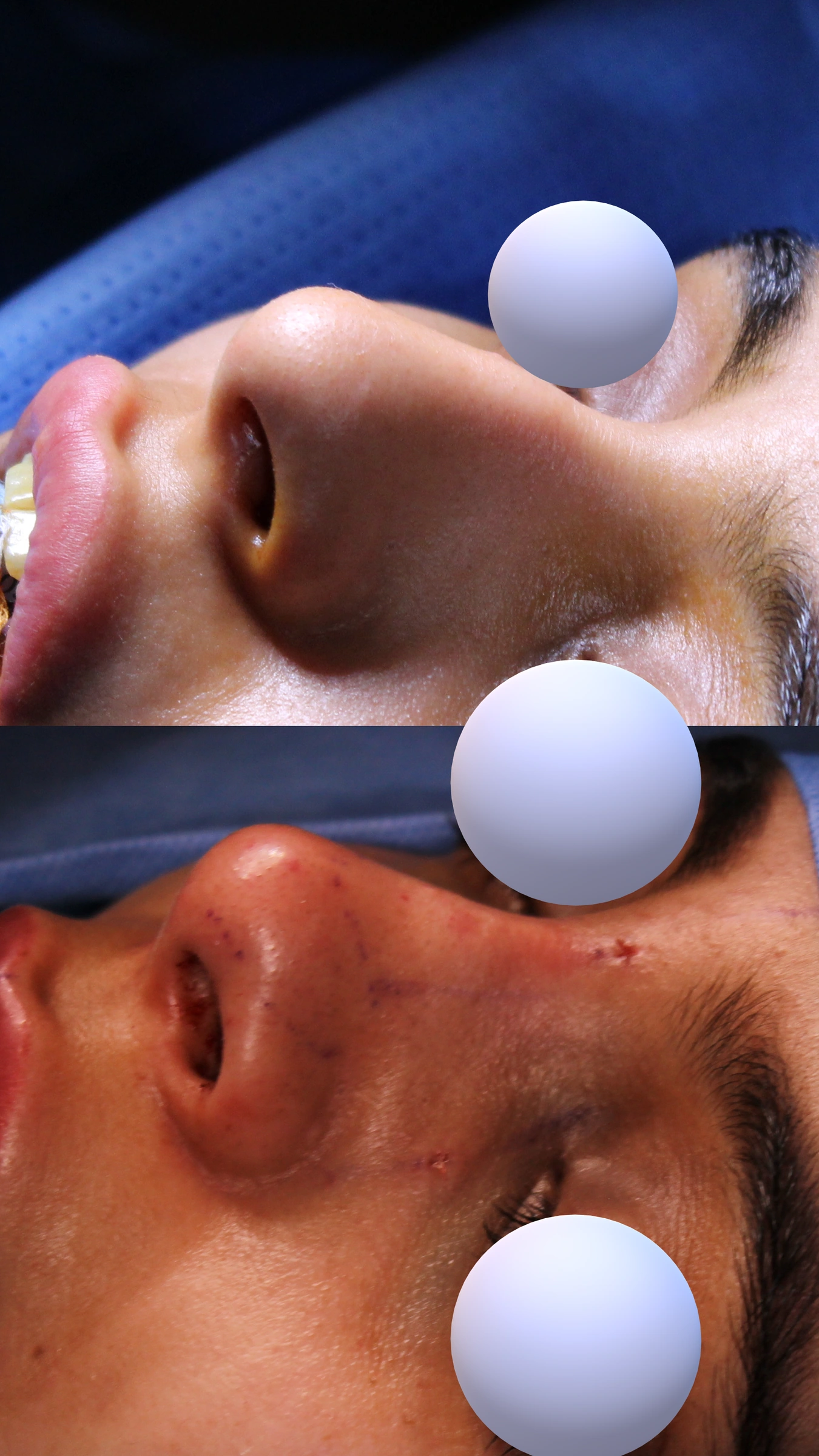
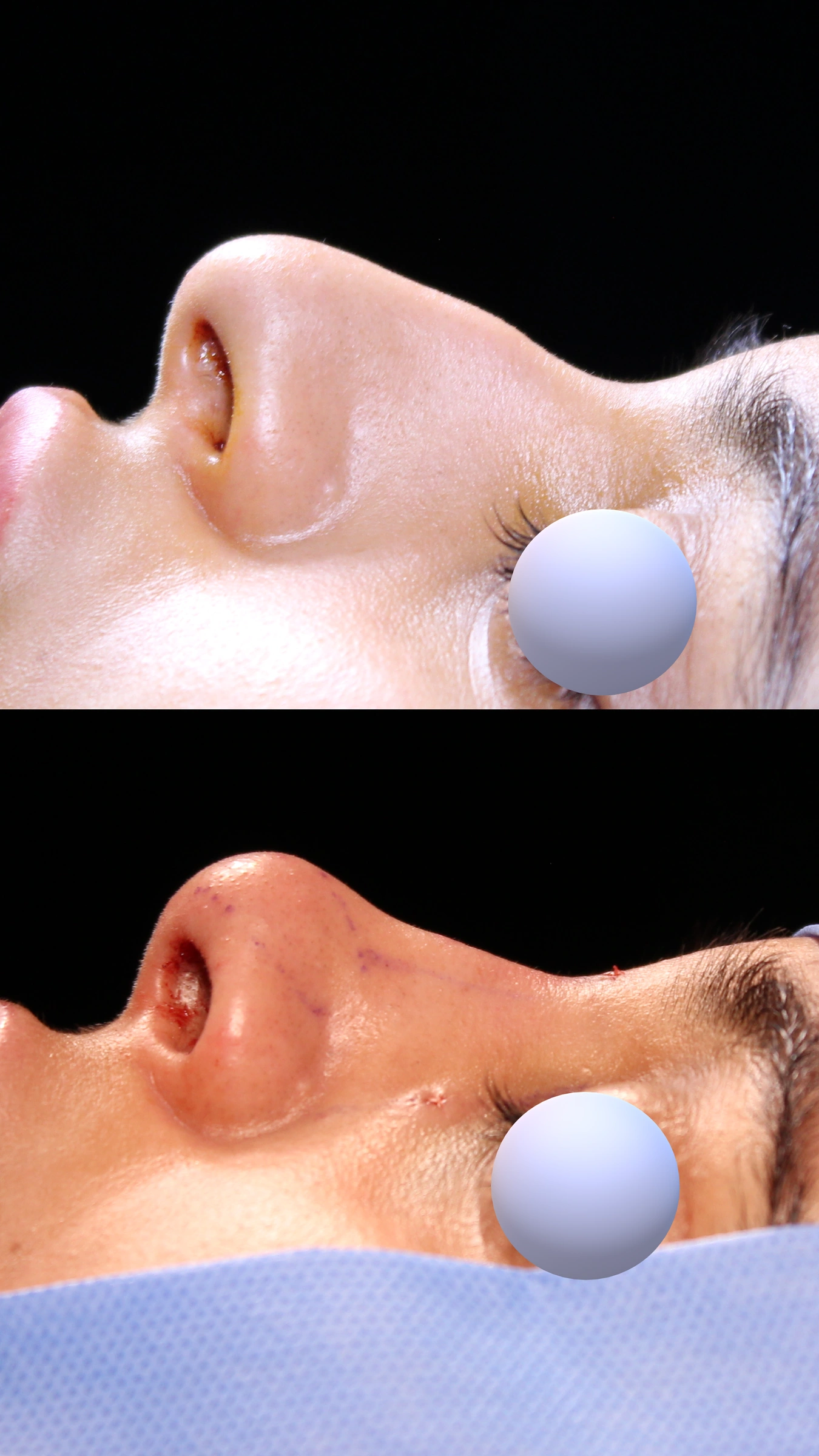
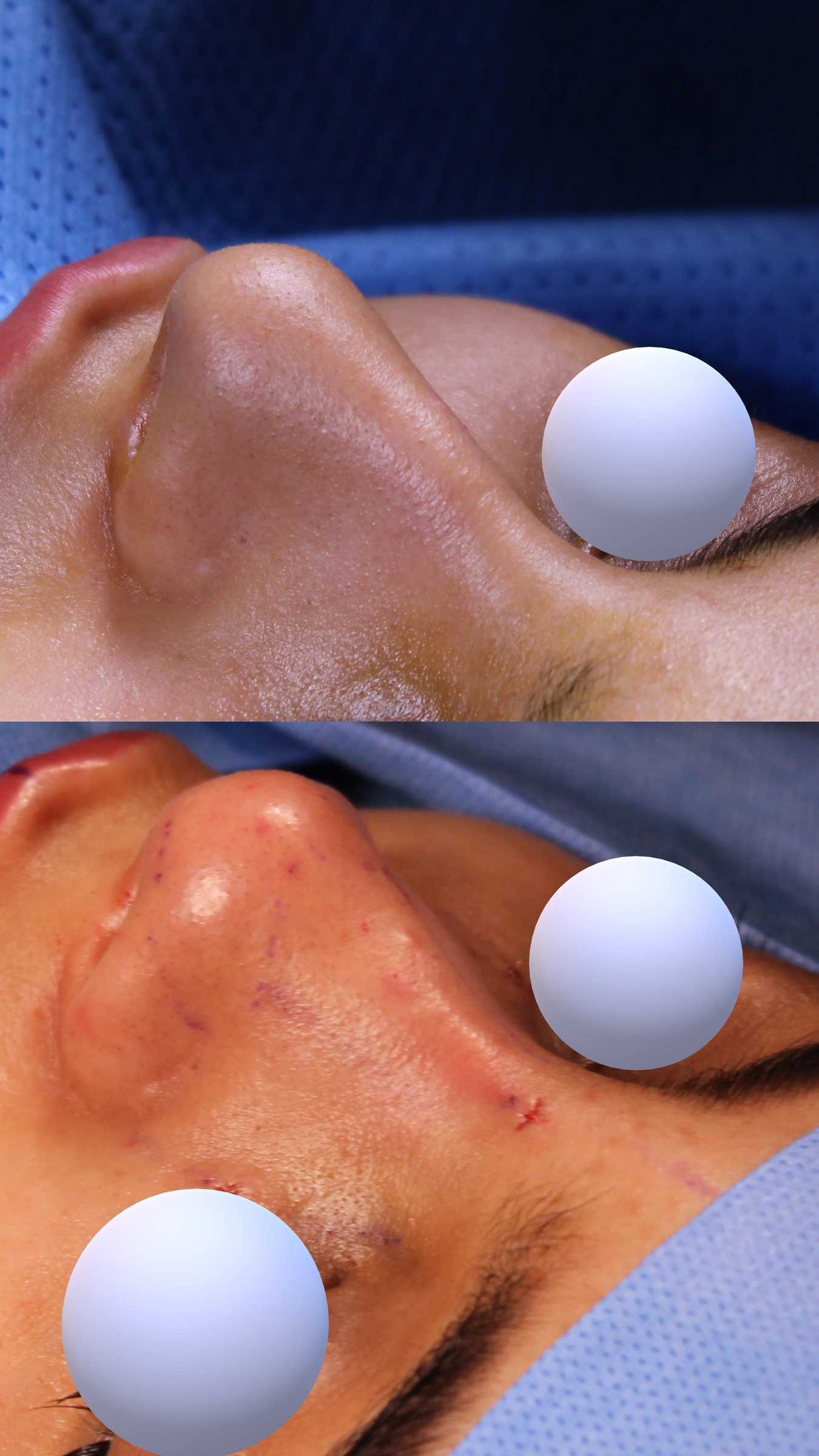
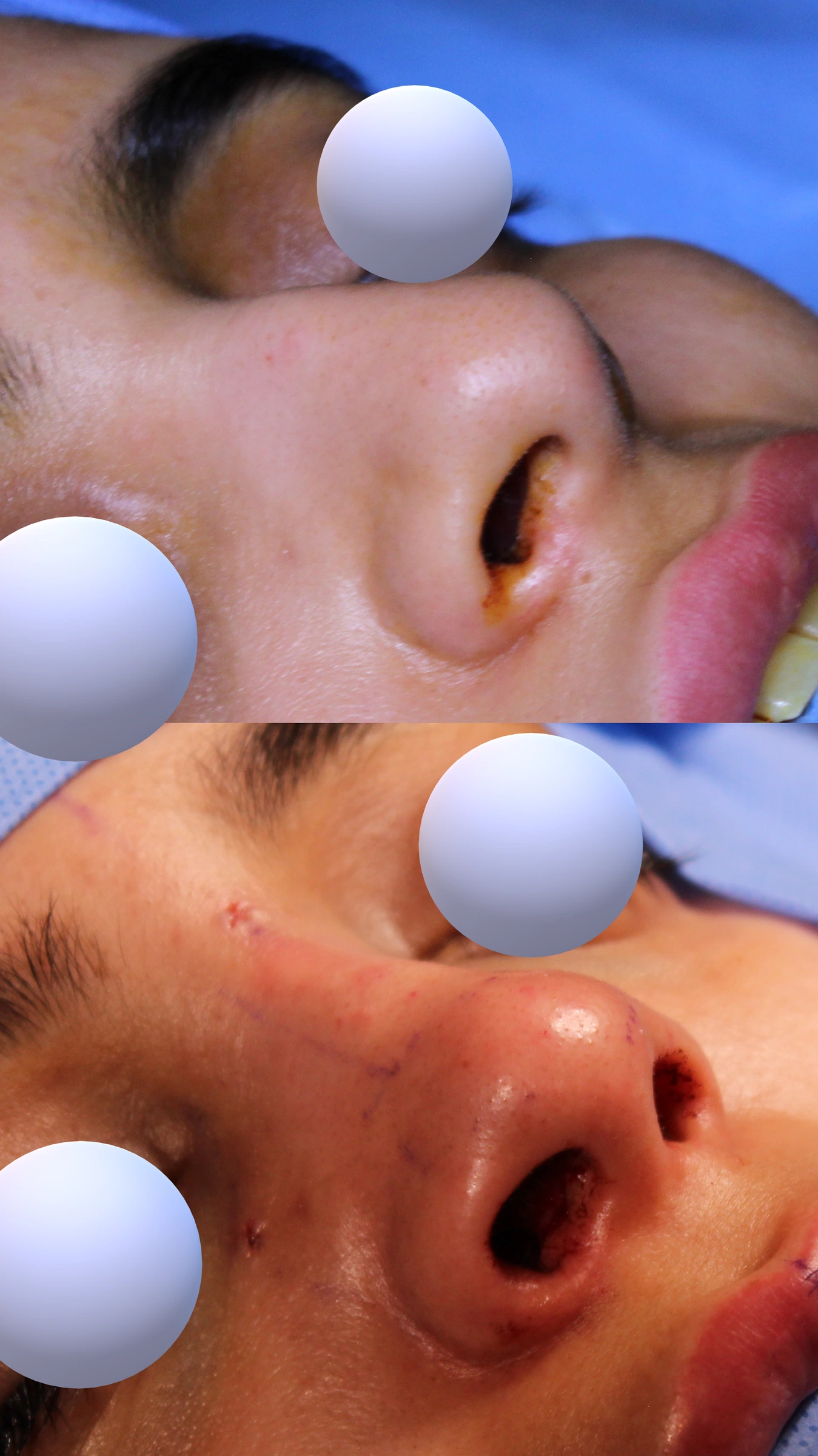
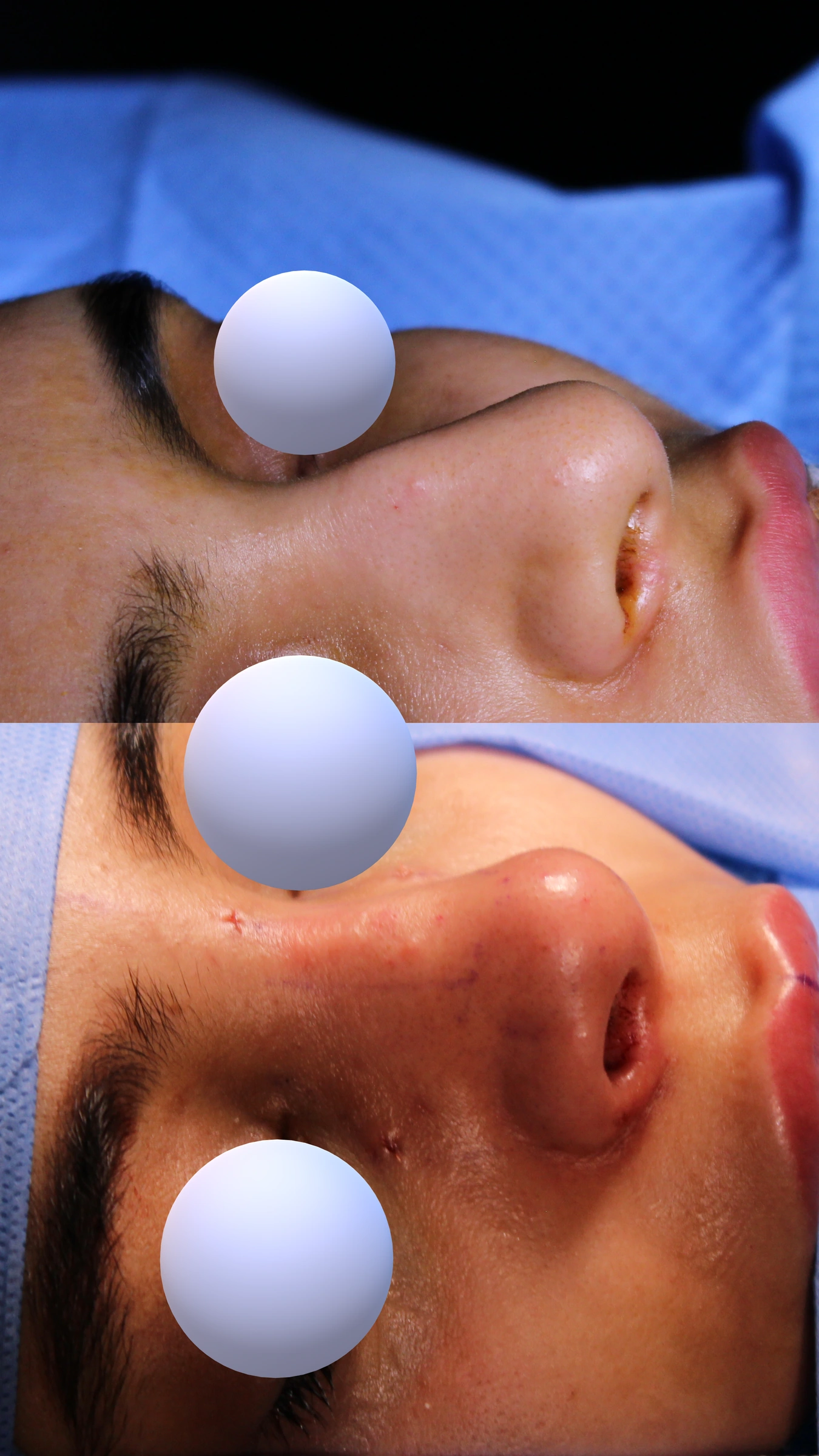
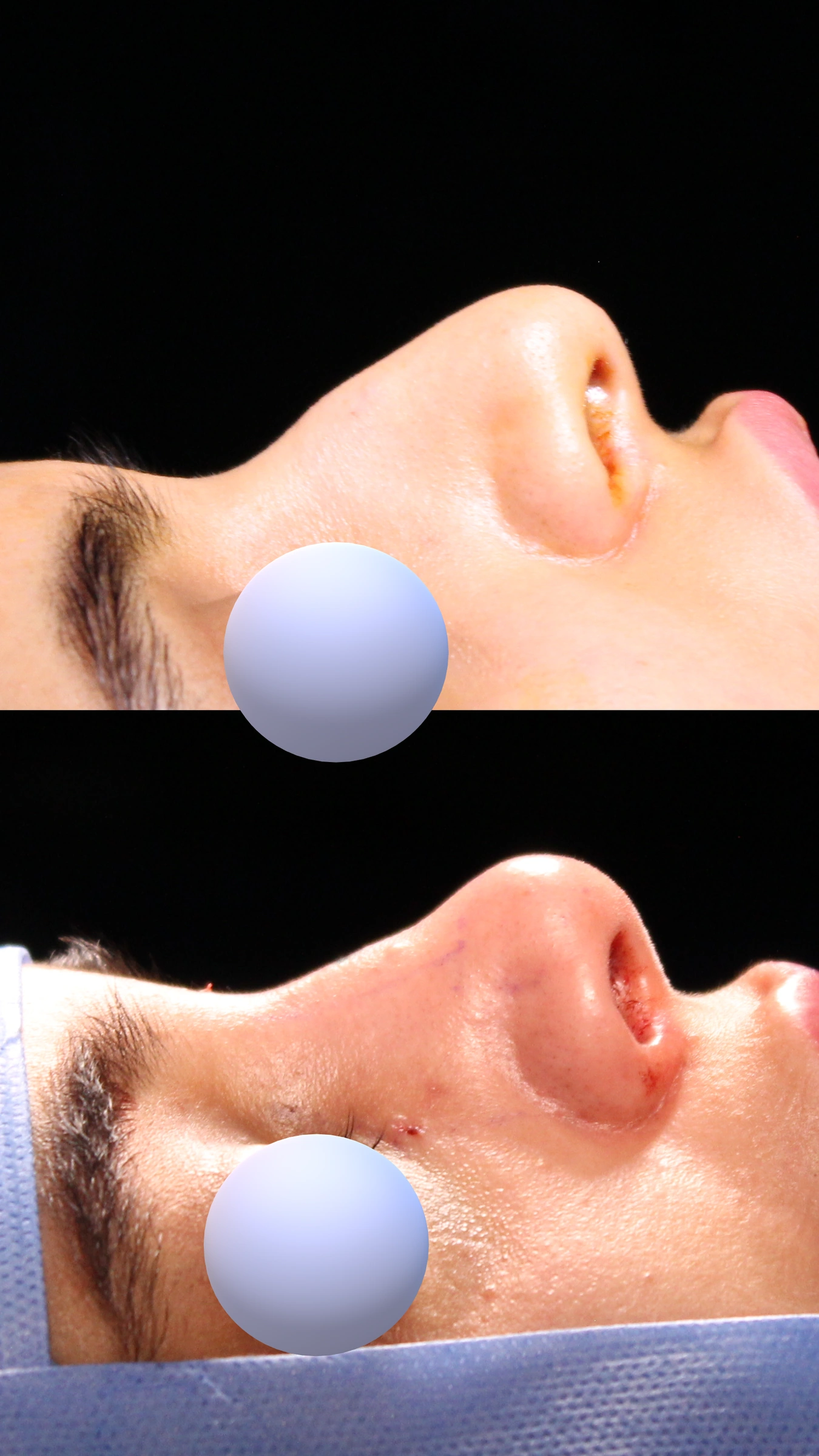
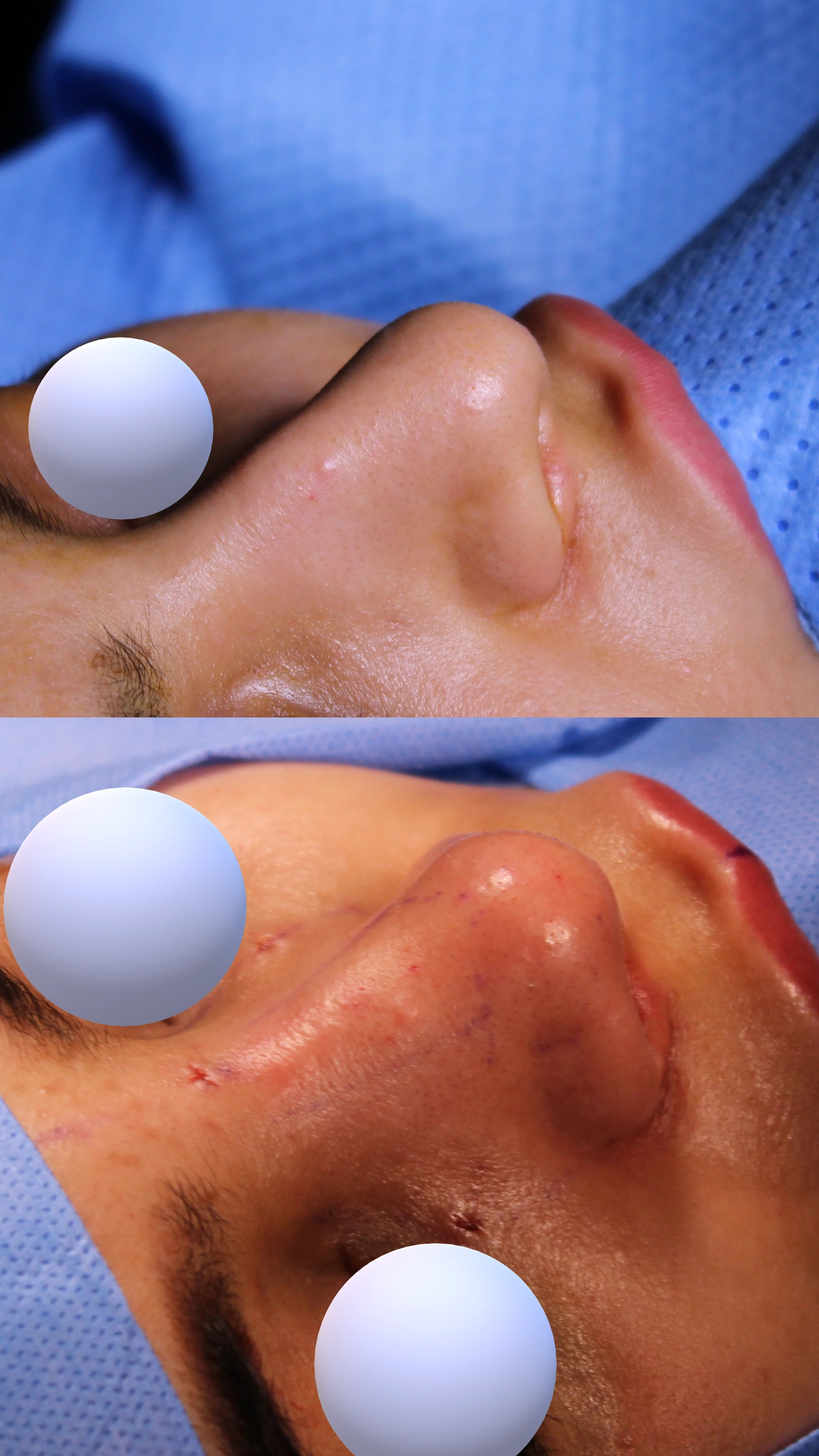
Photographs around the time of surgery; not the final healed result.
Rhinoplasty
Start with the details that matter to you. Discuss them with Dr Haber to understand the options suited to your own features.
Explore the procedureDiscuss your own case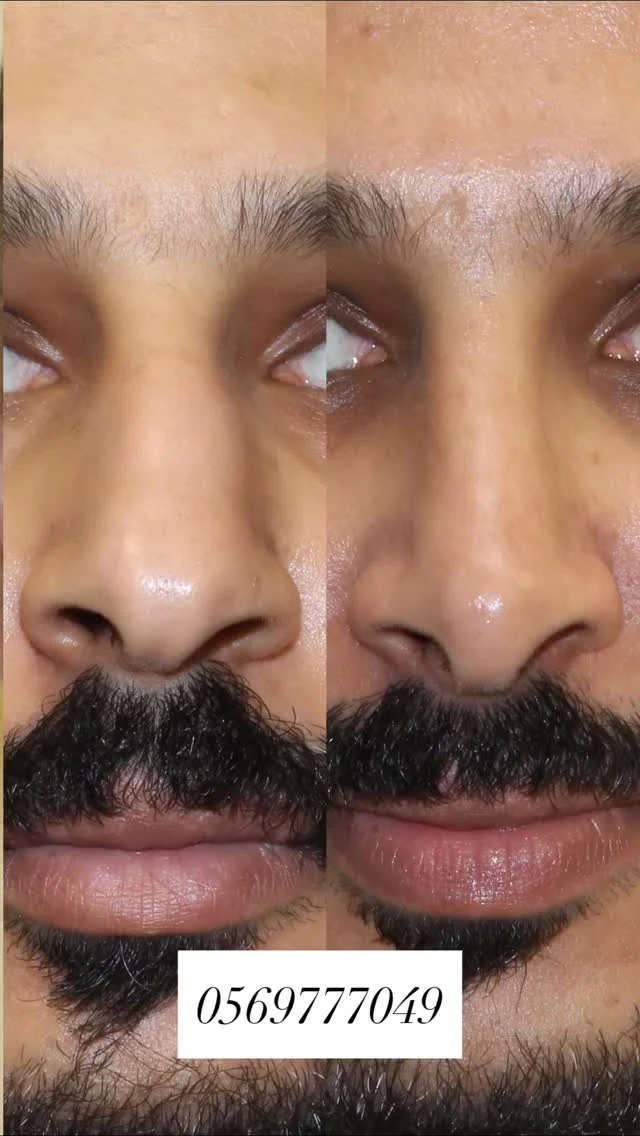
Rhinoplasty
Start with the details that matter to you. Discuss them with Dr Haber to understand the options suited to your own features.
Explore the procedureDiscuss your own caseRhinoplasty
Start with the details that matter to you. Discuss them with Dr Haber to understand the options suited to your own features.
Explore the procedureDiscuss your own caseRhinoplasty
Start with the details that matter to you. Discuss them with Dr Haber to understand the options suited to your own features.
Explore the procedureDiscuss your own caseRhinoplasty
Start with the details that matter to you. Discuss them with Dr Haber to understand the options suited to your own features.
Explore the procedureDiscuss your own caseRhinoplasty
Start with the details that matter to you. Discuss them with Dr Haber to understand the options suited to your own features.
Explore the procedureDiscuss your own caseRhinoplasty
Start with the details that matter to you. Discuss them with Dr Haber to understand the options suited to your own features.
Explore the procedureDiscuss your own caseRhinoplasty
Start with the details that matter to you. Discuss them with Dr Haber to understand the options suited to your own features.
Explore the procedureDiscuss your own caseIndividual results vary.
How to read clinical photographsExamples for discussion, not a complete list. Risks depend on the procedure and your health. Discuss your individual risks and alternatives, including no treatment.
Recovery and follow-up
A splint or dressings may support the nose initially; ask how to care for them and when they will be removed.
Swelling and contour can change during healing; the early appearance is not the final result.
This information helps you prepare for a consultation. It does not determine suitability or replace a medical examination.
You do not need to have made a decision before your consultation.
No. It is a visual tool for discussing expectations; actual outcomes depend on anatomy and healing. Ask the clinic whether it is available for your assessment.
No. Preservation describes how structures are treated; closed describes the incision approach. Preservation can use an open or closed approach depending on the changes required.
Bring the previous operation report if available, earlier photographs and a description of appearance or breathing concerns. These support examination but do not alone establish a need for further surgery.
Not always. Assessment considers facial proportions, tip shape, nostril width and breathing, rather than size alone. Discuss your concerns instead of assuming that a smaller nose is the right goal.
No result is guaranteed. Anatomy and healing vary from person to person. Case photographs and simulations are not a promise of your outcome.
This depends on the procedure, your health and your work. Discuss expected downtime, restrictions, follow-up and when to seek urgent advice before scheduling treatment.
YOUR FIRST STEP
Understand your options in a consultation.