UNDERSTAND BEFORE YOU DECIDE

Reconstructive surgery

Care concerned with function and tissue, as well as appearance.

Consultant plastic and reconstructive surgeon · Al Khobar

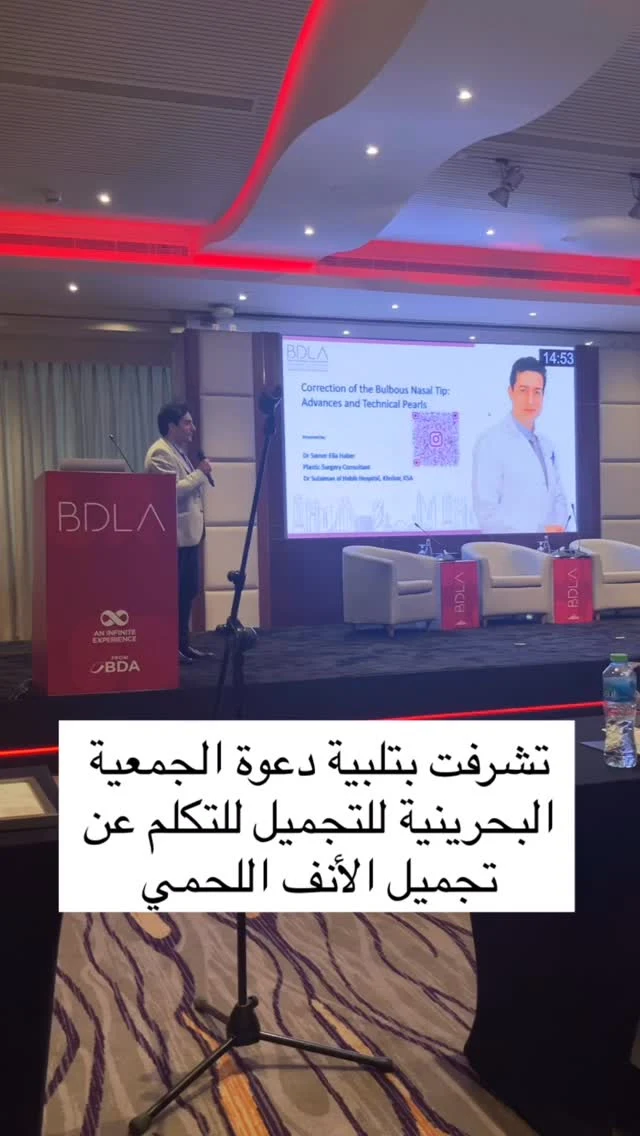
Dr Haber presenting a rhinoplasty lecture at the BDLA meeting in Bahrain

A CONVERSATION COMES FIRST

What does the assessment consider?

Dr Samer's experience includes craniofacial and reconstructive surgery, hand injuries and complex wounds. Each injury or condition needs individual assessment, and care may involve several specialties. Start with the reason for your consultation and bring previous reports where available.

An approach to fit the details.

Your goals and individual assessment guide the plan.

  • Scar assessment and surgical removal of skin lesions.

  • Pediatric craniofacial conditions, including cleft lip and palate.

  • Hand injuries and complex wounds.

A CLOSER ASSESSMENT

What varies from person to person?

Reconstruction depends on the affected tissue and function.

Tendons and hand movement

Tendons transmit muscle force to move the fingers. Injury may need repair followed by protection and guided rehabilitation; healed skin alone does not mean full hand function. Sudden loss of movement needs urgent assessment.

A fresh burn differs from its scar

Large, deep, electrical or chemical burns, and burns of the face or intimate areas, need emergency care. After healing, some scars can restrict movement; assessing them differs from treating the fresh injury.

Cleft care and a specialist team

Cleft lip or palate care involves feeding, speech, hearing and dental needs alongside surgical repair. A staged plan and specialist teamwork follow the child’s development; care is not necessarily one operation or an appearance issue alone.

SELECTED RESULTS

The difference is in the details.

Explore the results

Explore clinical cases

Cases: 1

BEFORE YOU VIEW

Sensitive medical photographs

This section contains medical photographs of the face, which may show treatment marks or parts of the hair. Choose to view them for medical information about the procedure.

Continue without viewing photographs

Reconstructive surgery

Cleft lip repair

Start with the details that matter to you. Discuss them with Dr Haber to understand the options suited to your own features.

Explore the procedureDiscuss your own case

Individual results vary.

How to read clinical photographs

Make an informed decision.

Could this be right for you?

  • Assessment starts with the injury or condition and its effect on function, alongside previous reports.
  • Health and ability to follow rehabilitation and follow-up matter; children require an age-specific assessment and plan.

Risks and limits

Examples for discussion, not a complete list. Risks depend on the procedure and your health. Discuss your individual risks and alternatives, including no treatment.

  • Bleeding, infection or delayed wound healing.
  • Altered sensation, persistent pain or injury to nerves and tendons, depending on the surgical area.
  • Scars or a need for further procedures; scar improvement does not erase a scar completely.
  • After hand-injury repair, full function may not return; risks differ substantially across hand, scar and craniofacial procedures.

Care continues after your procedure.

Recovery and follow-up

  1. The hand may need a splint and prescribed rehabilitation; using it too soon may risk reinjury.

  2. Scars evolve during healing; follow-up and care depend on the site and procedure, and care may involve more than one specialty.

This information helps you prepare for a consultation. It does not determine suitability or replace a medical examination.

Room for your questions.

You do not need to have made a decision before your consultation.

Questions worth asking

  • What functional and appearance goals are realistic?
  • Will other specialties be involved?
  • What role do rehabilitation and follow-up play?

Frequently asked questions

Does scar revision mean removing a scar completely?

No. Scar treatment aims to improve a scar; it does not mean erasing it entirely.

Is every lump under the skin a cyst needing removal?

No. An unexplained lump needs examination, and even a confirmed skin cyst may need no treatment if it causes no problems. Do not squeeze it; pain or redness warrants prompt assessment.

Should exercises after tendon repair be chosen online?

No. Protection and movement follow the surgical team and hand therapist’s instructions. Exercises and timing depend on the tendon and injury; independently increasing movement may be unsuitable.

Are results guaranteed or identical to the photographs?

No result is guaranteed. Anatomy and healing vary from person to person. Case photographs and simulations are not a promise of your outcome.

What about recovery and returning to work?

This depends on the procedure, your health and your work. Discuss expected downtime, restrictions, follow-up and when to seek urgent advice before scheduling treatment.

Medical references

NEWS & COVERAGE

All news

YOUR FIRST STEP

There’s room for every question.

Understand your options in a consultation.

Request a consultation