UNDERSTAND BEFORE YOU DECIDE
Breast surgery
Discussing size, shape and laxity with respect and privacy.
Consultant plastic and reconstructive surgeon · Al Khobar
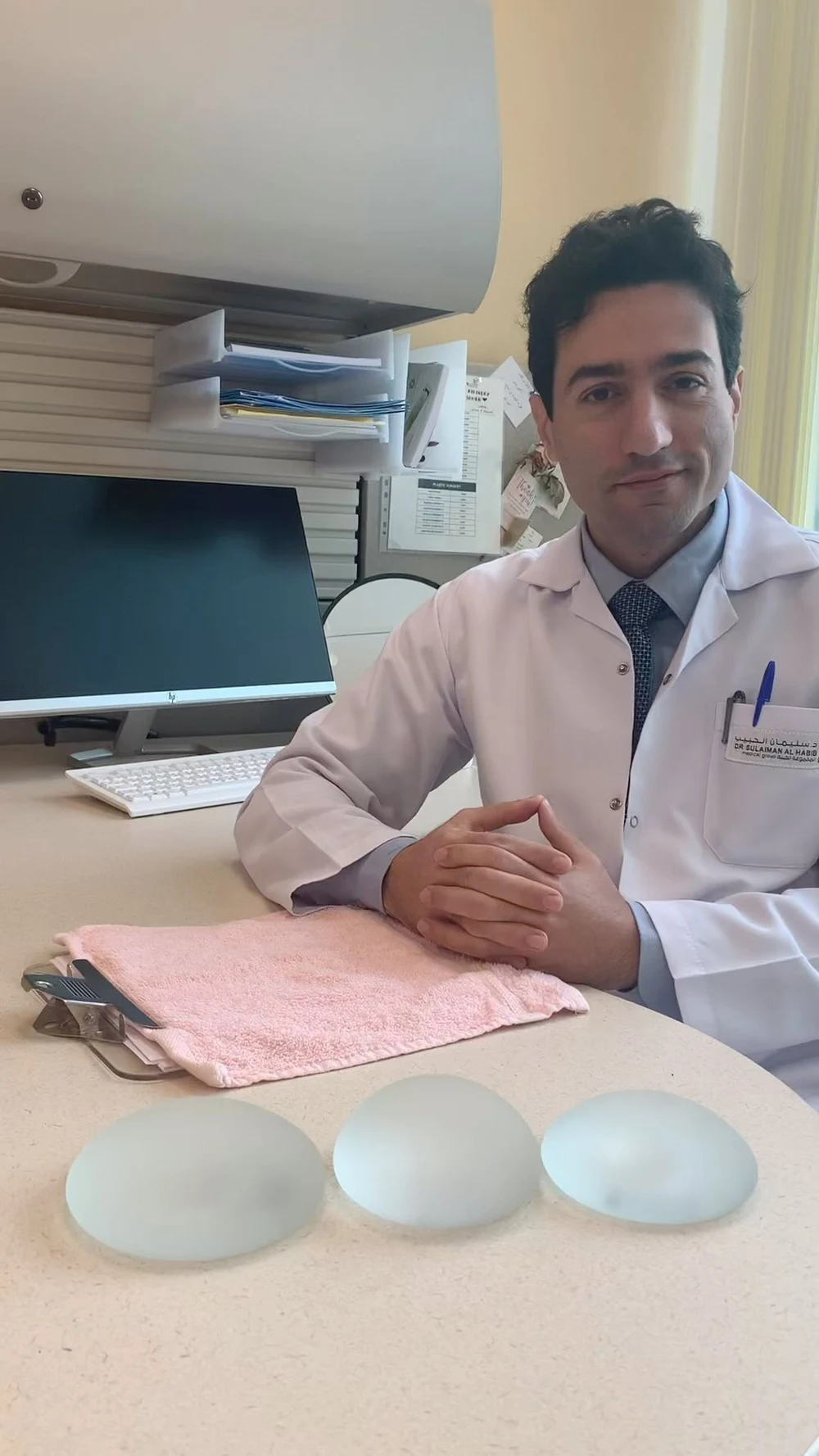
A CONVERSATION COMES FIRST
What does the assessment consider?
Breast procedures include augmentation, reduction and lift. These have different aims; increasing volume does not always address laxity. Options, limitations, risks and follow-up should be discussed in light of your examination and priorities.
An approach to fit the details.
Your goals and individual assessment guide the plan.
A CLOSER ASSESSMENT
What varies from person to person?
Implant position and follow-up matter alongside size.
Above or below the muscle?
An implant may be placed behind breast tissue above the chest muscle, or beneath the muscle. Anatomy, implant type and the intended size influence selection; one position is not best for every body.
A decision that includes follow-up
Implants are not lifetime devices. Discuss rupture, firm scar tissue around an implant and possible further surgery, and obtain implant details and a follow-up plan suited to its type.
Make an informed decision.
Could this be right for you?
- The choice depends on the goal: size, laxity or both, with realistic expectations.
- Health and stable weight are reviewed; current pregnancy or breastfeeding and future plans affect augmentation assessment and timing.
Risks and limits
Examples for discussion, not a complete list. Risks depend on the procedure and your health. Discuss your individual risks and alternatives, including no treatment.
- Bleeding, infection or impaired healing; nipple tissue can be affected in some lift procedures.
- Changes in nipple or breast sensation, asymmetry or scars.
- With implants: rupture, displacement or capsular contracture may occur, and another operation may be needed.
- Implants carry rare risks, including specific cancers around the implant; these should be discussed for the implant type considered.
Care continues after your procedure.
Recovery and follow-up
A support bra and dressings, and sometimes drains, may be used; instructions differ for augmentation, lift and reduction.
Discuss return to activity, incision care and longer-term follow-up if implants are used.
This information helps you prepare for a consultation. It does not determine suitability or replace a medical examination.
Room for your questions.
You do not need to have made a decision before your consultation.
Questions worth asking
- Is the aim a size change or addressing laxity?
- How might pregnancy and breastfeeding plans affect the decision?
- If implants are considered, what follow-up do they require?
Frequently asked questions
Are augmentation and a lift the same procedure?
No. They address different concerns; one or a combination may be discussed according to the individual case.
Does volume alone determine the right implant?
No. Volume is considered alongside chest anatomy, tissues, implant type and placement. A number or photograph alone cannot determine a suitable plan.
Is implant follow-up needed only when there is pain?
No. Silicone implant rupture can occur without obvious symptoms. Discuss appropriate checks, imaging and timing according to the implant and your circumstances.
Does implant surface affect its risks?
Yes. The rare lymphoma BIA-ALCL is associated more with textured than smooth implants. Discuss the surface and risks with your surgeon; persistent swelling or a lump near an implant needs assessment.
Are results guaranteed or identical to the photographs?
No result is guaranteed. Anatomy and healing vary from person to person. Case photographs and simulations are not a promise of your outcome.
What about recovery and returning to work?
This depends on the procedure, your health and your work. Discuss expected downtime, restrictions, follow-up and when to seek urgent advice before scheduling treatment.
Medical references
- ASPS — Breast Augmentation
- ASPS — Breast Lift
- ASPS — Breast Augmentation / Safety
- ASPS — Breast Augmentation / Recovery
- ASPS — Breast Augmentation / Candidates
- ASPS — Breast Lift / Safety
- ASPS — Breast Lift / Recovery
- ASPS — Breast Lift / Candidates
- ASPS: breast implant placement
- FDA: breast implant risks and complications
- FDA: breast implant-associated lymphoma
UNDERSTANDING YOUR OPTIONS
Explore your questions further.
Guides to assessment, treatment options and knowing when to seek medical care.
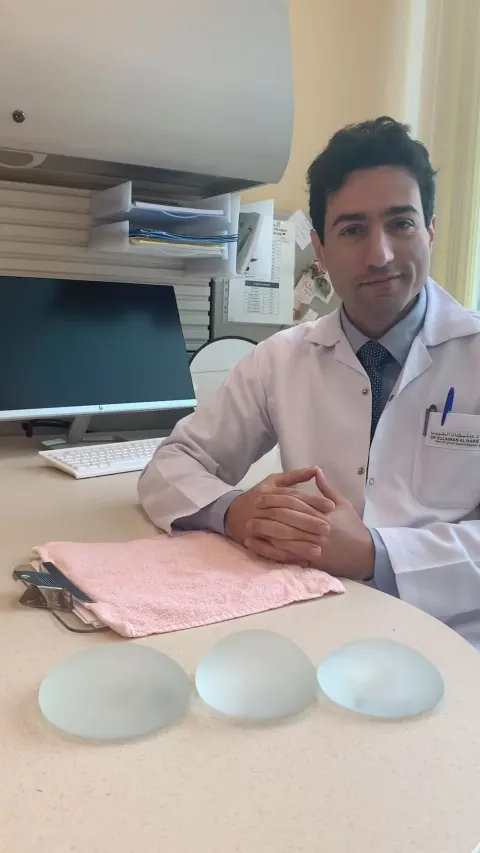
YOUR FIRST STEP
There’s room for every question.
Understand your options in a consultation.