Start with the change you want
The concern may be drooping, reduced fullness or both. A lift reshapes and raises the breast by removing excess skin and adjusting supporting tissue. On its own, it is not intended to substantially increase size or upper-breast fullness; a lift does not automatically require an implant.
When might augmentation or a combined plan be discussed?
Augmentation adds volume using implants or transferred fat. It does not correct severe drooping on its own. When both increased fullness and lifting are desired, a combined procedure or separate operations may be discussed. Examination and the goals appropriate to your case guide that planning.
What is assessed before choosing a plan?
Assessment considers breast shape and size, skin quality, and nipple and areola position. Bring any previous breast-imaging or biopsy results, and discuss family history of breast cancer, medicines and prior surgery. These details help frame the options rather than choosing a procedure from a photograph alone.
What tradeoffs accompany a lift?
Discuss incision placement and care: delayed healing, infection or asymmetry can occur. Nipple or breast sensation may change temporarily or permanently, and nipple or areola tissue can be affected. Blood clots and anaesthetic complications are also risks, and revision surgery may be needed.
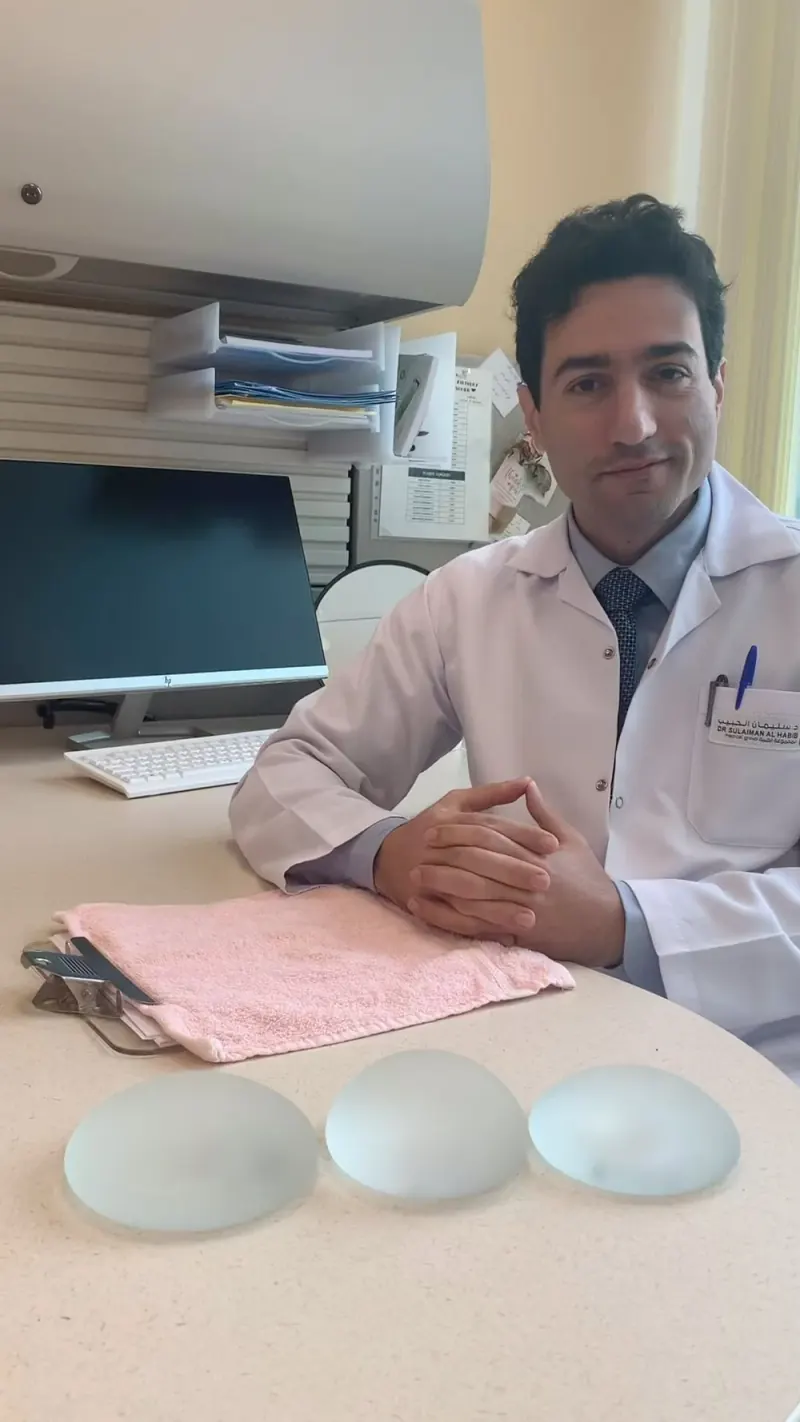
If the plan includes an implant
Implants are not lifetime devices. Discuss rupture, capsular contracture, possible further surgery and uncommon implant-associated cancers, alongside follow-up. Choosing an implant also involves these longer-term commitments.