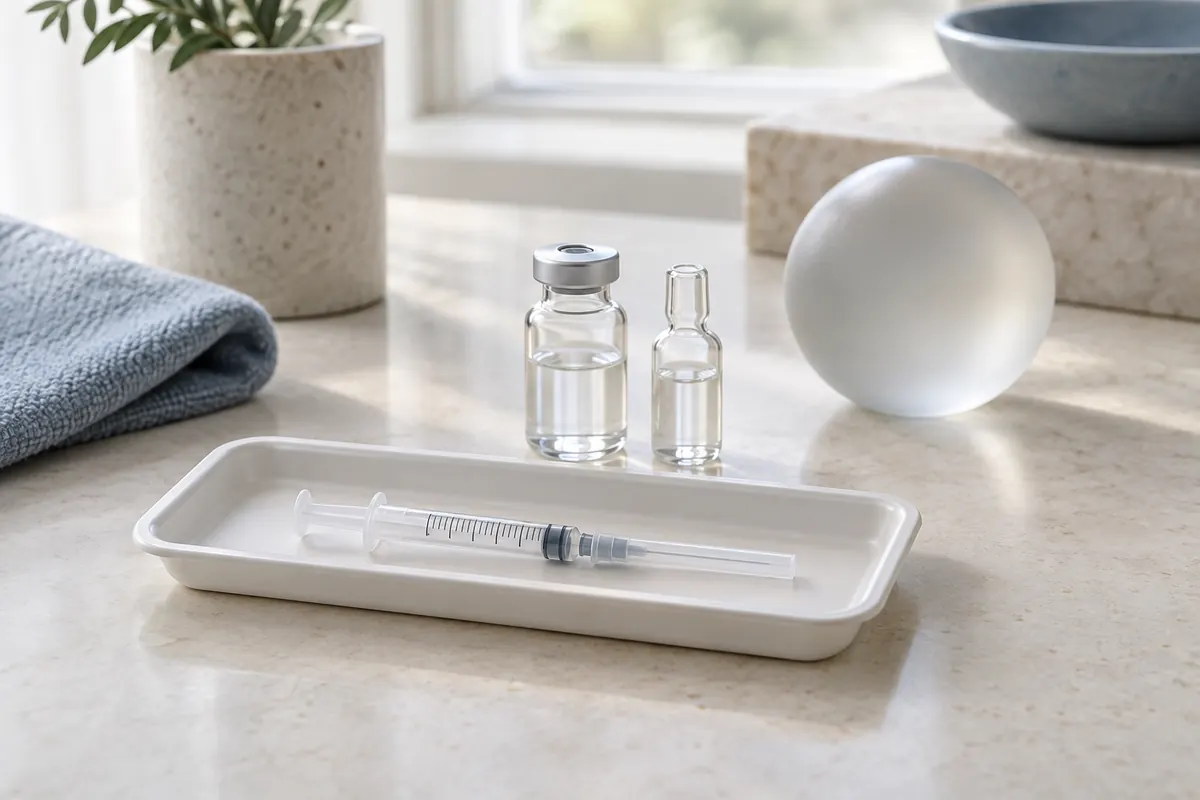
Is added volume the goal?
Fillers can soften selected lines and improve areas of reduced fullness, but adding volume does not reproduce a surgical facelift. Start with the area and change you want, then discuss whether an injectable treatment is appropriate at all. Choosing a material should follow an understanding of the concern.
What makes fat transfer different?
Fat transfer requires a donor area and liposuction before fat is placed in the face. Treatment therefore involves the harvesting area too, with possible discomfort there. The transferred tissue needs a blood supply to survive, and more than one procedure may be needed to approach the intended volume.
Why is there no single answer about lasting results?
Filler behaviour varies with the material and site, and not every filler is easy or possible to remove. Some transferred fat can be reabsorbed, so initial fullness does not necessarily reflect the volume that remains. Discuss expected change and possible further treatment without assuming a fixed outcome for either option.
Your own tissue and injectable treatments still carry risks
Fillers can cause bruising, swelling or infection. In rare cases, injection into a blood vessel can cause tissue damage, blindness or stroke. Fat transfer is surgery and can involve bleeding, infection, fat-tissue death or vascular blockage. Risk counselling needs to address the specific area and proposed procedure.
What should you bring to consultation?
Disclose previous facial injections, surgery and other treatments, along with medicines, allergies and medical conditions. Ask why a material or procedure is proposed, what change is realistic, and what follow-up involves if the result differs from your expectations. Facial examination and discussion of alternatives support an individual decision.